Virtual Tables Integrate with Live Sports in Emerging Hybrid Gaming Formats
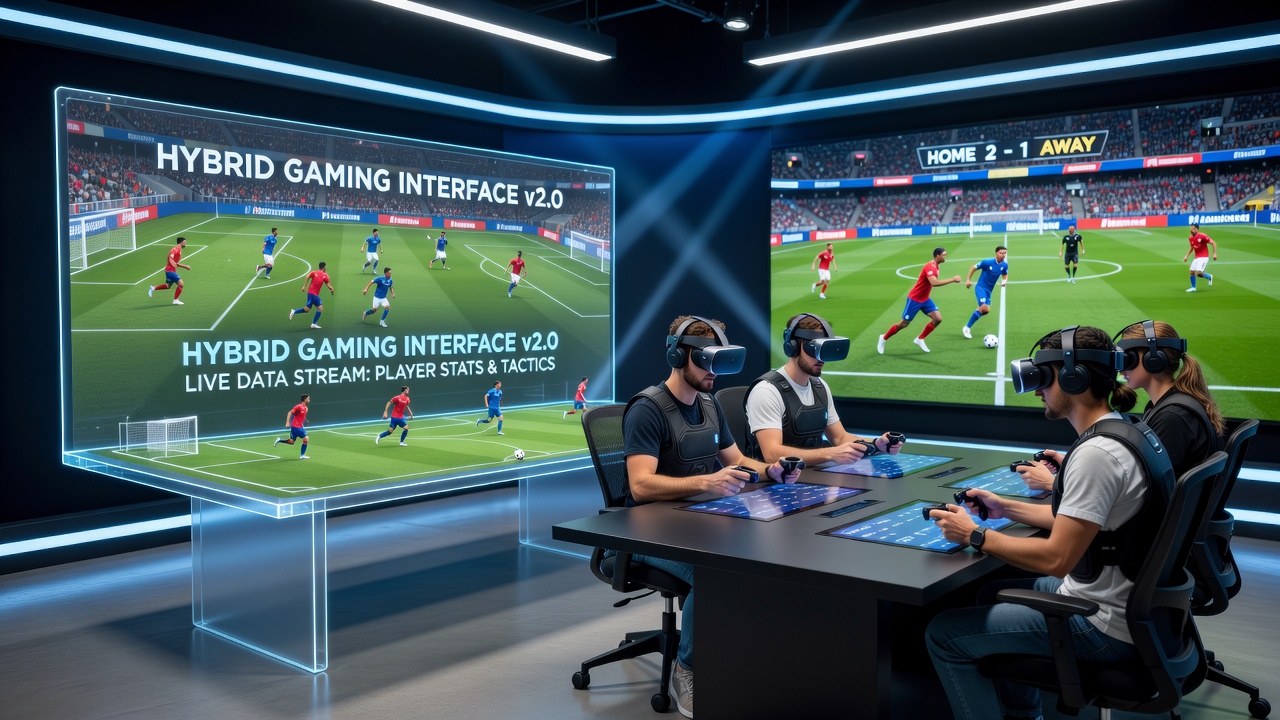
Hybrid gaming models combine virtual table games with real-time sports data streams, creating platforms where users engage with digital card tables while live athletic events unfold simultaneously. These systems pull statistics from ongoing matches and feed them into virtual environments, allowing gameplay mechanics to respond to actual game developments such as player substitutions or scoring updates.
Core Mechanics of Hybrid Platforms
Developers construct these models around synchronized data feeds that connect sports broadcasts to virtual table software, so that elements like card distribution rates or betting multipliers shift based on real-time variables from fields or courts. One implementation involves virtual blackjack sessions where multipliers increase when a referenced basketball team achieves consecutive three-pointers during the same timeframe, and operators have documented these adjustments occurring within seconds of the live action.
Engineers achieve this integration through application programming interfaces that pull structured data from league sources, then route it into game servers without interrupting the core table experience. Users maintain continuous play on the virtual surface while visual overlays display relevant sports metrics in peripheral screen areas, and testing reports indicate latency remains below 500 milliseconds in most deployments.
Regional Adoption Patterns
North American operators introduced early versions of these hybrids during the 2024 season across multiple states with legalized sports wagering, and participation metrics showed steady growth through mid-2025. European markets followed with controlled trials in several jurisdictions, where regulators required separate licensing for the virtual component and the sports linkage. Australian providers adopted similar frameworks by incorporating rugby league data into virtual roulette sequences, resulting in documented increases in session duration according to industry association tracking.
Research from the University of Nevada's gaming laboratory examined user retention across hybrid versus standalone formats and found that synchronized elements extended average play periods by measurable intervals when sports events aligned with peak viewing hours. Observers note that these patterns hold across different sports calendars, including summer soccer leagues and winter basketball schedules.
Technology Infrastructure Requirements
Successful deployments rely on cloud-based orchestration layers that handle simultaneous data ingestion from multiple sports leagues while maintaining secure random number generation for the virtual tables. Providers implement redundant verification systems to ensure that sports data triggers match official league records, preventing discrepancies that could affect outcome integrity.
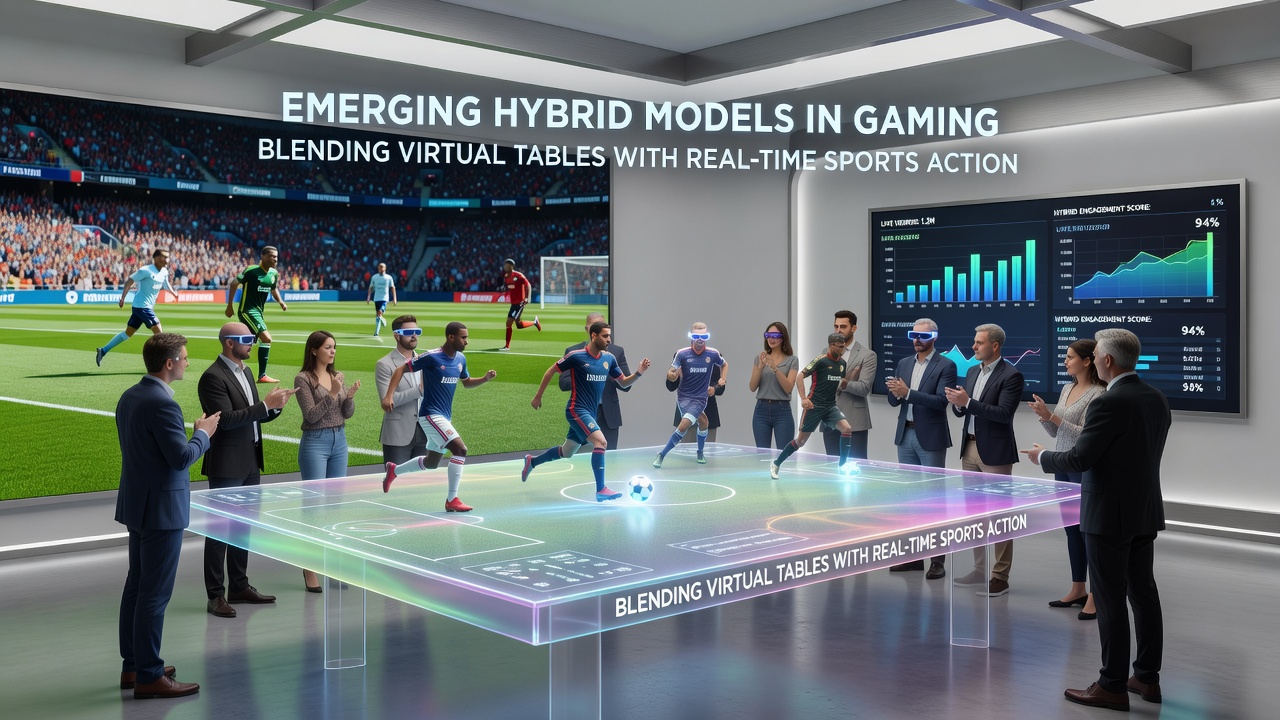
Security protocols include encrypted channels for all data transfers and regular audits of the synchronization algorithms, and companies such as those affiliated with the European Gaming and Betting Association have published guidelines outlining minimum standards for these processes. Mobile compatibility forms another critical layer, as most users access these hybrids through applications that must balance graphical demands of the virtual tables with the bandwidth needs of continuous sports streams.
July 2026 Developments
Industry conferences scheduled for July 2026 will feature demonstrations of next-generation hybrids that incorporate augmented reality elements, allowing virtual tables to appear within stadium environments via user devices. Preliminary announcements from technology partners indicate that these systems will test during select international matches, with data collection focused on user interaction metrics and system stability under high-concurrency loads.
Regulatory bodies outside the United Kingdom, including those in Canada and parts of Asia, have signaled plans to review licensing frameworks ahead of these rollouts, and preliminary position papers emphasize the need for clear separation between sports outcome determination and virtual game mechanics.
Market Data and Usage Trends
Figures released by the American Gaming Association in early 2026 indicate that hybrid product categories represented a growing segment of total gaming revenue in monitored markets, though exact proportions vary by jurisdiction. Participation studies conducted by independent research firms show that users aged 25 to 40 account for the largest share of hybrid session initiations, with evening hours coinciding with major sports broadcasts driving peak activity.
One documented case involved a platform linking virtual poker tables to tennis match data, where serve speeds influenced ante levels, and operators reported sustained engagement across multiple Grand Slam events without requiring separate user onboarding for each sport. These examples illustrate how operators adapt core mechanics to different athletic contexts while preserving table game fundamentals.
Conclusion
Hybrid models continue to evolve through iterative refinements in data synchronization and interface design, with ongoing trials informing adjustments to both technical and regulatory approaches. As infrastructure matures, these formats establish distinct operational categories within broader gaming ecosystems, supported by measurable usage patterns across diverse geographic regions.