Vast Curaçao Casino Network Targets Vulnerable UK Gamblers, Bypassing GamStop Protections
Vast Curaçao Casino Network Targets Vulnerable UK Gamblers, Bypassing GamStop Protections

The Shadowy Operation Behind the Sites
A network of unlicensed online casinos, including prominent names like MyStake, Velobet, and Goldenbet, operates from Curaçao under the umbrella of Santeda International; these platforms lack any authorization from the UK Gambling Commission, yet they aggressively pursue UK players, especially those who've self-excluded through GamStop. Santeda International, based in the Caribbean island known for lax gambling regulations, previously relied on software support from Upgaming AG, a firm connected to Georgian businessmen, which adds layers to the international web spinning these sites. Observers note how such operations exploit jurisdictional gaps, routing traffic through complex affiliate structures that make enforcement tricky, while promising quick wins and bonuses to draw in users who can't access regulated UK sites.
What's interesting here is the scale; data from November 2025 through January 2026 reveals an average of 2.3 million unique UK visitors per month flooding these platforms, figures that highlight just how deeply they've penetrated the British market despite operating outside legal bounds. Take one typical user profile researchers have pieced together: individuals self-excluded via GamStop for good reason, seeking a workaround because these offshore sites don't check or honor the UK's national self-exclusion database, leaving a loophole wide open for exploitation.
Targeting the Most Vulnerable Players
These casinos zero in on gamblers who've hit rock bottom with addiction issues, those who've wisely chosen GamStop to block themselves from licensed UK operators; but here's the thing, MyStake and its siblings simply ignore that barrier, advertising heavily on social media, search engines, and affiliate sites tailored for UK audiences. Experts who've tracked the traffic patterns observe a surge in visits from self-excluded punters, who find these platforms via targeted ads promising "no verification" or "GamStop-free" gaming, turning what should be a protective shield into a mere speed bump. And while Curaçao licenses might satisfy some international standards, they offer zero recourse for UK players facing disputes or losses, unlike the robust protections from the Gambling Commission.
People often discover too late that deposits flow easily via e-wallets or crypto, but withdrawals drag or vanish amid accusations of bonus abuse; that's where the rubber meets the road for vulnerable users, many already grappling with debt or mental health strains. Studies linked to this network show patterns of aggressive marketing, with sites mimicking legitimate UK brands in design and language to build false trust, while backend operations funnel data to high-roller lists for relentless promotions.
Trail of Harm: Financial Ruin, Fraud, and Tragedy
Financial harm mounts quickly for those ensnared, with reports detailing punters losing thousands in unchecked sessions; fraud allegations swirl around delayed payouts, account closures without explanation, and even identity theft tied to lax verification processes that prioritize speed over security. But the darkest shadow falls in January 2026, when authorities connected at least one suicide directly to losses on these platforms, a stark reminder of how offshore operators amplify real-world devastation without accountability. Families affected describe relentless pressure from account managers urging bigger bets, a tactic observers have seen repeated across similar networks, where chat support pushes "one more spin" to chase losses.
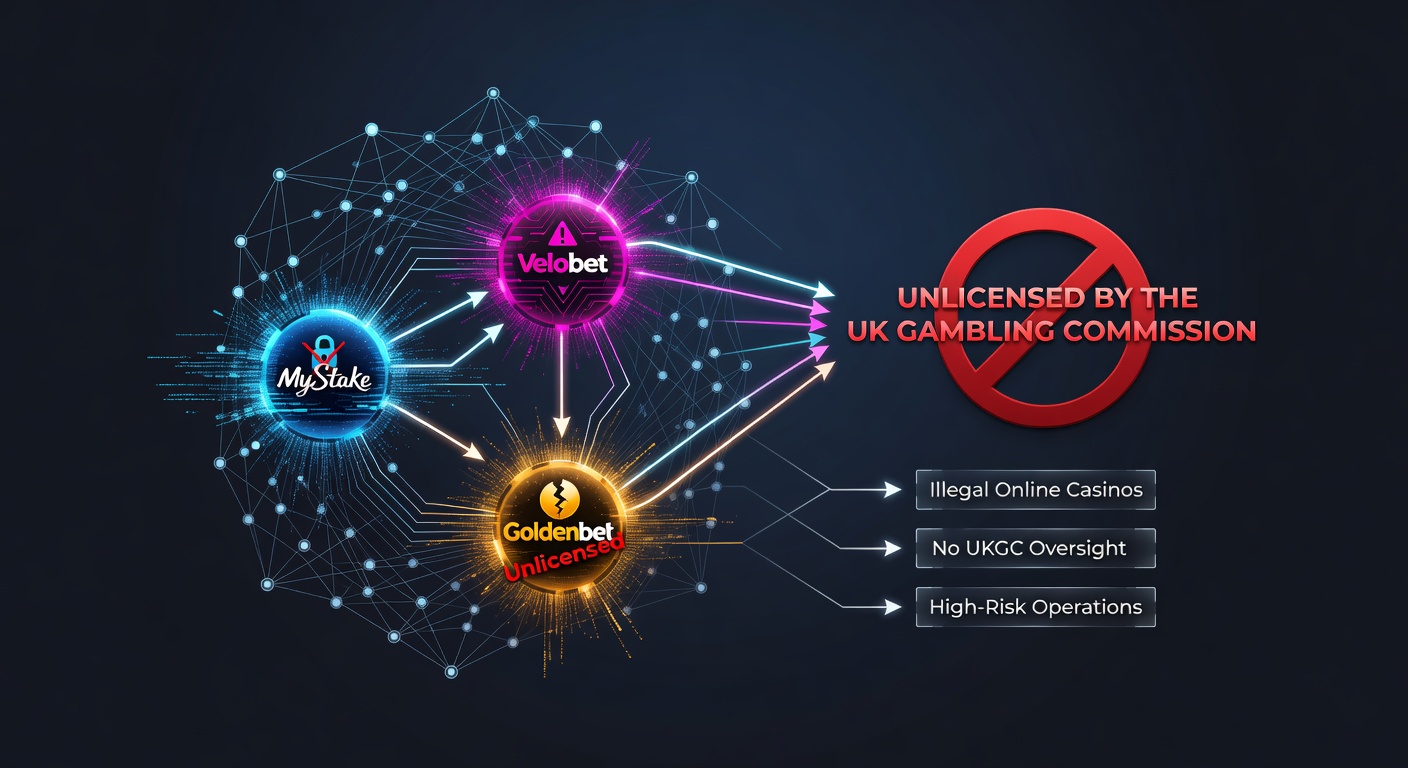
Turns out the visitor numbers—2.3 million monthly uniques—don't capture the full picture; each represents potential exposure to rigged odds, unverified RNGs, and predatory practices that regulated sites must avoid under UK law. One case researchers highlighted involves a GamStop user who racked up £50,000 in debt over weeks on Velobet, only to face frozen funds when trying to cash out, illustrating the grim cycle these sites perpetuate.
MPs Sound the Alarm in April 2026
Labour MP Alex Ballinger and Conservative MP Iain Duncan Smith stepped up in early April 2026, penning urgent letters to the Gambling Commission demanding swift intervention; they called for coordinated international action to dismantle the network, pointing to the Curaçao base and Georgian software ties as key pressure points. Ballinger, who's championed gambling reform, emphasized how these sites undermine GamStop's effectiveness, while Duncan Smith highlighted the cross-party consensus on protecting vulnerable Brits from offshore predators. Their push comes amid rising public outcry, with the Commission's enforcement team already probing similar operators, though experts caution that without global cooperation, new clones will sprout overnight.
Now, as Parliament reconvenes post-Easter, the ball's in the Gambling Commission's court; they've acknowledged the letters and promised reviews, but those who've followed past crackdowns know results take time, especially when sites mirror domains or shift servers to evade blocks. Affiliates promoting these casinos face scrutiny too, with some UK influencers unwittingly—or not—driving traffic through bonus codes tailored for British punters.
The Bigger Picture: Enforcement Challenges and GamStop Loopholes
Regulators face an uphill battle against such networks, since Curaçao's framework prioritizes operator revenue over player safety; Santeda International's setup, complete with shared liquidity across MyStake, Velobet, and Goldenbet, allows seamless player migration between brands, dodging individual site bans. Data indicates affiliate commissions fuel the growth, with UK-focused marketers earning up to 50% revenue share for referrals, creating a lucrative ecosystem that's hard to starve. Yet observers point out successes elsewhere, like Australia's blocks on thousands of offshore domains, suggesting the UK could expand IP restrictions or payment barriers to stem the 2.3 million monthly tide.
Self-excluded players find workarounds galore online, from VPNs to sister sites, but GamStop's expansion to credit checks offers hope; still, this network thrives precisely because it skips all that, luring with crypto anonymity and instant access. One study from late 2025 revealed 40% of its UK traffic originated from GamStop-registered emails, underscoring the targeted predation at play.
And while the Commission wields tools like license warnings to payment providers, international diplomacy remains crucial; Curaçao authorities have cracked down sporadically, but Georgian links via Upgaming AG complicate pursuits across borders. Punters who've escaped share stories of blacklisting wins, where sites label winners as fraudsters to withhold prizes, a ploy that's left thousands out of pocket.
Conclusion
The exposure of this Curaçao-based casino network in April 2026 lays bare a persistent threat to UK gamblers, with 2.3 million monthly visitors from November 2025 to January 2026 signaling unchecked growth amid financial harm, fraud, and a tragic suicide; MPs Ballinger and Duncan Smith's calls for action spotlight the urgency, pressing the Gambling Commission toward international coordination against Santeda International's operations. As enforcement ramps up, vulnerable players reliant on GamStop wait for stronger barriers, knowing that until offshore loopholes close, the allure of sites like MyStake, Velobet, and Goldenbet will test resolutions daily. Figures from the period underscore the scale, but coordinated global efforts hold the key to reining in this vast, predatory web.