4 Apr 2026
UK Remote Gaming Duty Doubles to 40%: Online Casino Operators Navigate Sharp Tax Rise on April 1, 2026

The Sudden Shift in UK Gambling Taxation
On April 1, 2026, the UK's Remote Gaming Duty—a key tax levied on online casino gross gaming revenue—jumped from 21% to 40%, catching the attention of operators across Great Britain who now face a dramatically altered financial landscape; this change, affecting every UK-licensed online gambling platform, stems directly from recent fiscal policy updates aimed at boosting government revenues while reshaping the iGaming sector.
Reports from industry watchers like CDC Gaming highlight how this hike targets remote gaming activities, including slots, blackjack, and roulette played via apps or websites, leaving land-based casinos untouched but hitting digital counterparts hard; operators with heavy exposure to the UK market, many of whom derive a significant portion of their income from British players, suddenly contend with halved profit margins on the same revenue streams.
What's interesting here is the timing—right at the start of the fiscal year—allowing firms little runway to adjust before quarterly reports roll in; data from prior years shows the duty generated around £1.5 billion annually at the old rate, so experts anticipate a windfall for the Treasury, potentially exceeding £2.8 billion if player volumes hold steady.
Yet volumes might not stay steady, as the tax indirectly pressures pricing models; platforms often absorb some costs to remain competitive, but at 40%, that's where the rubber meets the road for sustainability.
Breaking Down the Mechanics of the Remote Gaming Duty
Established under the Finance Act 2014, the Remote Gaming Duty applies specifically to gross gaming yield from online casino games offered by operators licensed in Great Britain, excluding sports betting which falls under a separate 15% Point of Consumption Tax; this distinction means pure-play casino sites bear the full brunt, while hybrids must segment revenues meticulously to comply.
Figures reveal the pre-hike environment supported robust growth—the UK online gambling gross gambling yield climbed to £4.3 billion in mid-2025 per regulatory stats—yet the doubling now squeezes operators' bottom lines, especially those reliant on high-volume, low-margin games like slots where margins hovered around 10-15% before taxes.
Take one mid-sized operator with £100 million in annual UK casino revenue: at 21%, the tax bill sat at £21 million, leaving room for marketing, tech upgrades, and dividends; post-hike, that surges to £40 million, effectively erasing two-thirds of typical operating profits and forcing tough choices on cost-cutting or revenue boosts.
And it's not just the headline rate; cascading effects include higher compliance burdens as firms recalibrate financial models, audit trails, and HMRC filings to handle the escalated liabilities.
Operators' First Moves Amid the Tax Squeeze
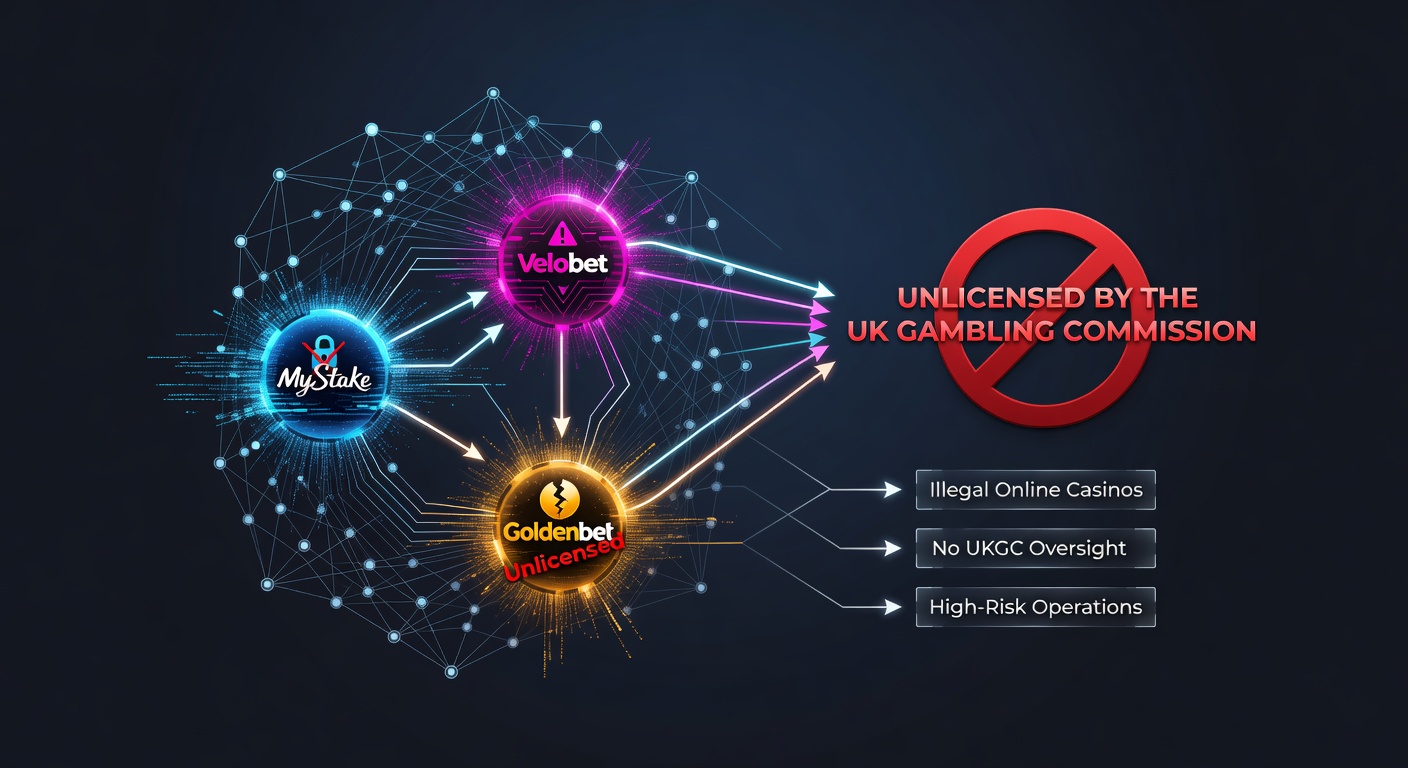
Industry experts observe that iGaming-focused companies with substantial UK footprints—think those boasting sleek mobile apps packed with live dealer tables and progressive jackpots—are scrambling to adapt strategies, trimming marketing spends or tweaking bonus structures to preserve cash flow; no major player has signaled a full market withdrawal as of early April 2026, but whispers of scaled-back operations circulate in trade circles.
According to analyses from groups like the European Gaming and Betting Association, which tracks cross-border fiscal policies, firms are exploring geo-fencing tweaks to shift emphasis toward lower-tax jurisdictions such as Malta or Gibraltar, where effective rates often dip below 10% through rebates.
But here's the thing: UK licensing demands a presence in Great Britain for player-facing services, so outright exits remain rare; instead, operators pivot toward retention campaigns, loyalty perks, and efficiency drives in backend tech to offset the 19% rate leap.
One case surfaces where a prominent slots provider announced workforce optimizations alongside AI-driven personalization tools, aiming to lift player lifetime value by 15-20% without raising deposit minimums that could deter casual punters.
Unpacking the Feared 'Spiral Effect'
The term "spiral effect" gains traction among observers, describing a chain reaction where diminished profitability prompts operators to hike effective player costs—via reduced bonuses or tighter terms—leading to churn, lower volumes, and even steeper revenue drops that exacerbate the tax burden on shrinking bases; studies from Australia's Gambling Research Centre on similar hikes elsewhere mirror this pattern, showing 10-25% player migration within six months.
In the UK context, this could ripple outward: reduced ad budgets mean less visibility for responsible gambling messages, while consolidated markets favor giants like those with diversified sports arms over casino pure-plays; experts note early signs in April 2026 traffic dips on affiliate sites tracking casino sign-ups.
That's not all; suppliers face knock-ons too, as operators delay payments on platform licenses or game royalties, potentially stalling innovation in areas like VR blackjack or crypto integrations that were buzzing pre-hike.
People who've studied tax shocks in regulated markets, such as those in New Jersey under the Division of Gaming Enforcement, point out how spirals often stabilize after 12-18 months through consolidation, but not without pain—smaller firms merging or rebranding to survive.
Regulatory Backdrop and Sector-Wide Ramifications
This pivot marks a broader 2026 trend in gambling taxation across Europe, where governments chase yields from booming digital sectors amid budget pressures; in Great Britain, the change blankets the entire online casino ecosystem, from indie developers supplying HTML5 games to conglomerates running white-label networks.
Compliance teams hustle to update terms of service, notifying players of indirect impacts like bonus wagering adjustments, all while navigating enhanced HMRC scrutiny on revenue attribution; data indicates the sector employed over 40,000 in tech and support roles pre-hike, raising questions on job stability if margins keep eroding.
Now consider the player side: while direct taxes don't touch wagers, savvy punters track how platforms respond—some already scout offshore alternatives, though UK blocks on unlicensed sites limit that escape hatch; observers track a subtle uptick in VPN usage queries on forums, hinting at evasion attempts that regulators vow to quash.
Yet resilience shines through; historical parallels from 2019's reformed casino duties show operators rebounding via product diversification, blending casino with skill-based games to skirt pure remote gaming classifications.
- Large operators lean on scale, cross-subsidizing UK losses with EU gains.
- Mid-tiers chase niches like live Indian card games popular among diverse UK demographics.
- Startups pivot early, targeting emerging markets before deeper UK entrenchment.
Such adaptations underscore the sector's agility, even as the 40% levy reshapes competitive dynamics.
Outlook: Stability or Further Flux?
Short-term, quarterly earnings in late April 2026 will reveal initial hits, with analysts projecting 25-35% profit dips for UK-heavy firms unless player acquisition costs plummet; longer-term, the duty could spur calls for tiered rates favoring lower-risk games, echoing reforms in Ontario's iGaming model.
Industry voices push for dialogue with policymakers, citing data on responsible gambling investments—over £200 million annually pre-hike—that might wane under pressure; no exits yet signal commitment, but the ball's in operators' court to innovate amid the squeeze.
Turns out, markets adapt; past tax jolts in Sweden and Denmark birthed leaner, tech-savvier ecosystems, suggesting Great Britain's iGaming scene could emerge stronger, albeit slimmer.
Conclusion
The April 1, 2026, Remote Gaming Duty escalation to 40% stands as a defining moment for UK online casinos, thrusting operators into a high-stakes recalibration that threatens a spiral effect while testing strategic mettle across the board; with no withdrawals announced and adaptations underway, the sector demonstrates tenacity, poised to navigate this fiscal curveball through efficiency, diversification, and player-focused tweaks that could redefine profitability in the digital gambling arena for years ahead.