Sync Struggles in Britain's Multi-Platform Betting Networks

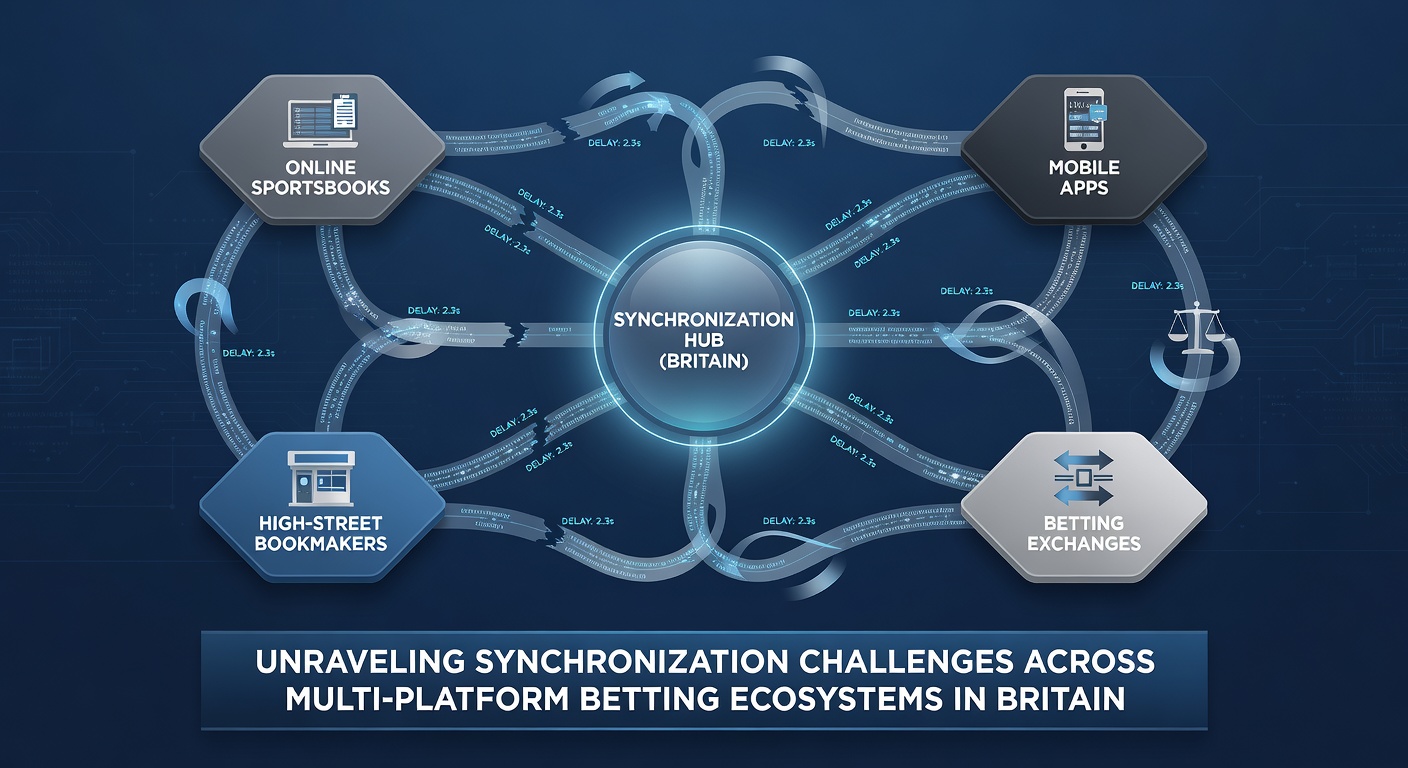
Operators in Britain continue to expand their presence across mobile apps, desktop sites, and in-venue terminals, yet synchronization remains a persistent technical hurdle that affects everything from live bet updates to account balances and responsible gambling limits. Research from industry analysts shows that real-time data consistency across these channels demands robust API frameworks and low-latency networks, while any mismatch can lead to delayed odds, incomplete transaction histories, or conflicting session records that frustrate users and strain compliance teams alike.
Core Technical Barriers to Seamless Integration
Developers must reconcile legacy systems with modern cloud infrastructures because many established bookmakers still rely on older databases that were never designed for simultaneous access from multiple device types, and this creates friction when pushing updates like in-play adjustments or withdrawal approvals through unified channels. Observers note that packet loss during peak events such as major football matches often disrupts the flow, forcing manual reconciliations that delay processing times and expose vulnerabilities in fraud detection protocols.
Encryption standards add another layer of complexity since platforms must protect user data while allowing instant verification across jurisdictions, and researchers at various European institutions have documented how differing regional requirements for data residency complicate these processes without standardized protocols in place. Studies indicate that synchronization failures spike during high-volume periods, with error rates climbing as much as 15 percent according to internal operator reports shared at industry forums.
Regulatory Pressures Shaping Platform Coordination
British regulators emphasize player protection measures that require consistent application of deposit limits and self-exclusion lists across all access points, yet achieving this demands precise data mirroring that respects privacy rules without introducing latency. Those who have examined case studies from comparable markets in Australia highlight how similar frameworks there led to mandatory audit trails that operators now reference when refining their own systems ahead of potential policy shifts expected by late May 2026.
Industry associations such as the European Gaming and Betting Association have published guidelines on cross-platform verification, noting that successful implementations often incorporate blockchain elements for immutable transaction logs that reduce disputes over bet settlements. Data from these reports reveals that platforms adopting hybrid synchronization models report fewer customer complaints related to mismatched balances or unavailable features on secondary devices.
Real-World Examples from Operator Rollouts
Take one mid-sized bookmaker that integrated a new mobile feature set in early 2026, where initial tests uncovered discrepancies in bonus eligibility tracking between app sessions and web logins, prompting a full overhaul of their central ledger system to ensure parity. Experts who reviewed the rollout found that incorporating event-driven architectures helped cut synchronization errors by aligning triggers for deposits, wagers, and payouts in a single stream.
Another instance involves a network of affiliated sites that faced challenges merging user profiles after an acquisition, because differing timestamp formats across their acquired platforms created conflicts during live market updates. Analysts documented how adopting unified UTC standards and automated reconciliation scripts resolved most issues within weeks, though edge cases during international events still require ongoing monitoring.
Emerging Solutions and Industry Trends
Cloud-based microservices now dominate discussions at technical conferences because they allow modular updates that propagate changes without full system restarts, and this approach has gained traction among British operators seeking to scale during busy summer racing seasons. Reports compiled by research bodies outside the UK, including those from Canadian gaming studies, demonstrate that such architectures improve uptime metrics while supporting the granular controls needed for multi-jurisdictional compliance.
Artificial intelligence tools for predictive error detection are also entering testing phases, where algorithms analyze traffic patterns to preempt desync events before they affect end users. Those who've tracked pilot programs note measurable improvements in session continuity, particularly when paired with edge computing nodes positioned closer to major population centers in England and Scotland.
Looking Ahead to Broader Ecosystem Impacts
Continued investment in 5G infrastructure promises lower baseline latencies that could alleviate many current synchronization bottlenecks, yet integration costs remain a barrier for smaller operators who lack the resources of larger conglomerates. Figures from recent trade analyses suggest that collaborative data-sharing initiatives among non-competing platforms may emerge as a practical path forward, especially as consumer expectations for fluid experiences rise through 2026 and beyond.
Conclusion
Britain's betting sector stands at a crossroads where technical innovation meets regulatory scrutiny, and addressing synchronization challenges requires coordinated efforts across engineering teams, compliance officers, and external partners. As platforms evolve to meet these demands, the focus stays on delivering reliable, secure access that maintains trust without compromising on speed or functionality, setting the stage for more resilient ecosystems in the years ahead.