Patterns in the Code: Exploring Algorithmic Personalization of Casino Bonuses Across Ecosystems
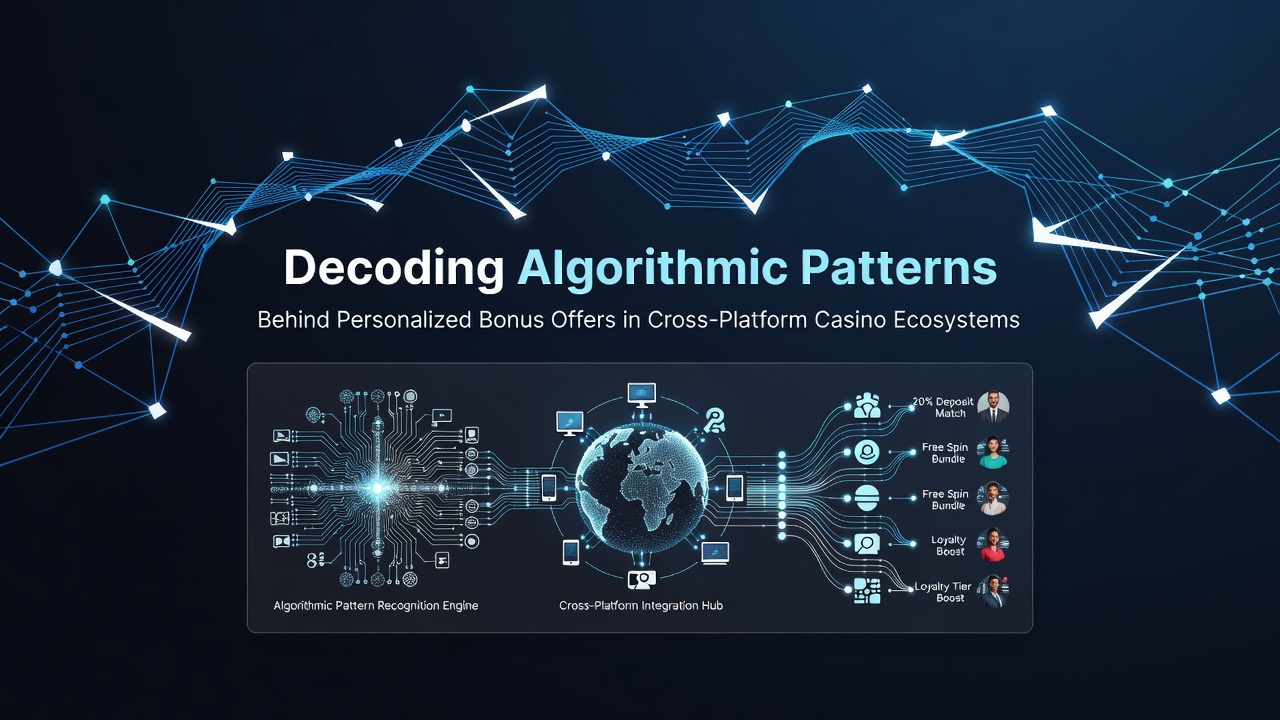
Operators in cross-platform casino ecosystems rely on algorithmic systems to generate personalized bonus offers, and these systems draw from extensive datasets that track player behavior, session duration, and deposit patterns. Researchers have documented how machine learning models process this information in real time, adjusting offer parameters such as free spin quantities, deposit match percentages, and wagering requirements based on individual profiles. Data indicates that such personalization occurs across desktop, mobile, and live dealer environments, creating consistent incentive structures regardless of access point.
Data Inputs That Feed the Algorithms
Player accounts generate continuous streams of information including game selection frequency, average bet size, and response rates to previous promotions, and these inputs feed into centralized databases that update every few minutes. Observers note that operators integrate location signals, device type, and time-of-day activity to refine targeting, which allows models to predict which bonus structures are likely to extend play sessions. Studies from academic institutions such as the University of Nevada, Las Vegas have examined how these variables combine to produce segmented player cohorts that receive differentiated offers.
Cross-platform continuity requires that the same user profile receives coherent incentives whether the session originates on a smartphone app or a web browser, and synchronization protocols ensure that bonus eligibility flags remain consistent across environments. Figures from industry reports show that platforms operating in multiple jurisdictions maintain separate compliance layers while sharing core algorithmic engines that handle personalization logic.
Machine Learning Techniques in Use
Gradient boosting and neural network architectures appear frequently in bonus optimization frameworks because they handle non-linear relationships between player metrics and conversion outcomes effectively. Analysts have identified clustering methods that group users according to lifetime value indicators, enabling the system to allocate higher-value bonuses to segments predicted to generate sustained revenue. Reinforcement learning components test variations in offer terms during controlled rollouts, and the models update weights based on observed engagement metrics within hours of deployment.

One documented case involved an operator that applied collaborative filtering similar to recommendation engines used in streaming services, matching bonus types to players who exhibited similar historical patterns, and this approach produced measurable lifts in redemption rates according to internal metrics shared at industry conferences. teh reality is that these techniques operate within regulatory boundaries set by bodies such as the Malta Gaming Authority, which requires transparency around automated decision-making that affects player accounts.
Cross-Platform Synchronization Challenges
Maintaining identical bonus states across devices demands robust API infrastructure that resolves conflicts when a player switches platforms mid-session, and latency issues can disrupt the seamless experience operators aim to deliver. Engineers address these problems through event-driven architectures that push updates instantaneously, ensuring that a claimed bonus on mobile registers immediately on desktop interfaces. Reports from the European Gaming and Betting Association highlight how operators invest in cloud-based orchestration layers to manage these handoffs at scale.
Seasonal adjustments also factor into algorithmic logic, with models incorporating calendar events and sporting calendars that influence traffic patterns, and July 2026 data sets are expected to reflect increased mobile activity during major international tournaments. Those who have analyzed longitudinal datasets observe that personalization accuracy improves when models incorporate multi-week behavioral windows rather than single-session snapshots.
Regulatory and Technical Safeguards
Jurisdictions outside the United Kingdom impose specific rules on algorithmic transparency, requiring operators to maintain audit trails that regulators can review upon request, and these records detail the variables and weights applied to each personalized offer. Technical safeguards include rate limiting on bonus issuance to prevent exploitation, alongside anomaly detection modules that flag unusual redemption sequences. The National Council on Problem Gambling has published guidance encouraging operators to incorporate responsible gaming flags into their personalization engines so that players showing elevated risk indicators receive moderated incentives.
Implementation varies by market, yet the underlying pattern remains consistent: algorithms optimize for retention metrics while operating inside compliance envelopes defined by local licensing authorities. Observers note that third-party testing laboratories verify that random number generators and bonus trigger conditions function independently of the personalization layer, preserving fairness standards across platforms.
Conclusion
Algorithmic personalization of casino bonuses across ecosystems continues to evolve through iterative model refinement and expanding data integration, and the patterns that emerge reflect both commercial objectives and regulatory constraints. Documentation from multiple jurisdictions demonstrates that operators apply similar technical approaches even when local rules differ, producing a global landscape where cross-platform consistency depends on synchronized data pipelines and audited decision logic. Future developments in July 2026 and beyond will likely incorporate additional behavioral signals while maintaining the core structures already in place.