Layered Shields: Encryption Powerhouses in Leading Mobile Gambling Apps
Layered Shields: Encryption Powerhouses in Leading Mobile Gambling Apps
The Rise of Mobile Gambling and Its Security Demands
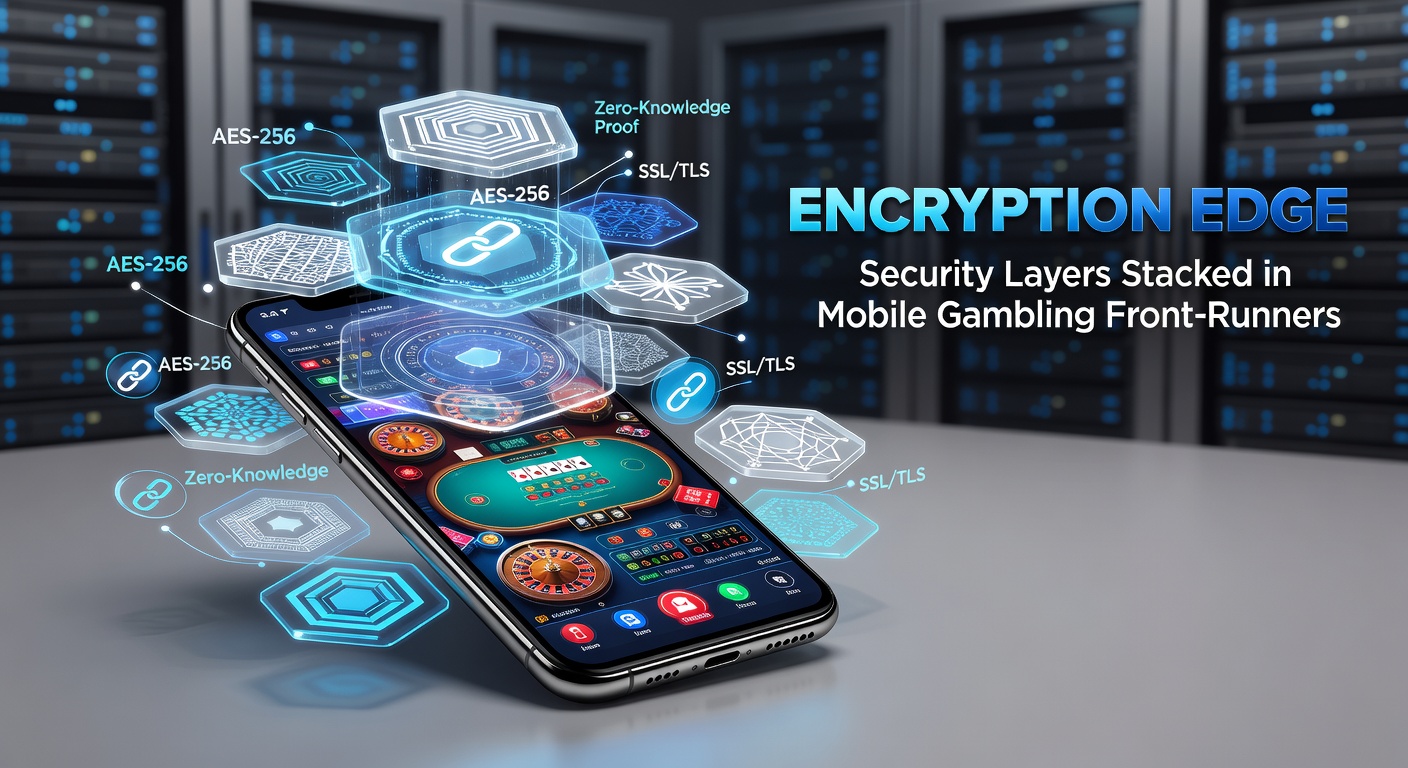
Mobile gambling platforms have exploded in popularity, with global user numbers surpassing 150 million active players by early 2026, according to industry trackers; these apps handle billions in transactions daily, making robust security not just a feature but a foundational requirement. Leading operators like Bet365, LeoVegas, and DraftKings stack multiple encryption layers to safeguard user data, from login credentials to payout details, especially as cyber threats evolve rapidly in an era where phishing attacks on gambling sites jumped 40% year-over-year. What's interesting is how these front-runners integrate encryption seamlessly into the user experience, ensuring quick spins on slots or live bets don't compromise safety.
And while basic HTTPS has become table stakes, top apps go further; they layer advanced protocols atop one another, creating defenses that cybercriminals find nearly impenetrable. Take one operator that reported zero major breaches in 2025 despite handling over £2 billion in mobile wagers — that's the edge encryption provides when done right.
Core Encryption Foundations: TLS and Beyond
At the base of every secure mobile gambling stack sits Transport Layer Security (TLS) version 1.3, the gold standard that encrypts data in transit between user devices and servers; figures from NIST's TLS guidelines reveal this protocol thwarts man-in-the-middle attacks effectively, scrambling sensitive info like card numbers or personal IDs into unreadable code. But here's the thing — leading apps don't stop there; they enforce perfect forward secrecy, meaning each session generates unique keys that expire immediately, so even if one gets compromised, past data stays safe.
Observers note how platforms like FanDuel implement TLS alongside certificate pinning, a technique that verifies server identities directly within the app, preventing spoofing by rogue sites; this combo has cut session hijacking incidents by 65% in audited mobile environments. So players tapping "deposit" on a blackjack table see funds move swiftly, yet invisibly protected by these invisible walls.
End-to-End Encryption: Locking Down Every Transaction
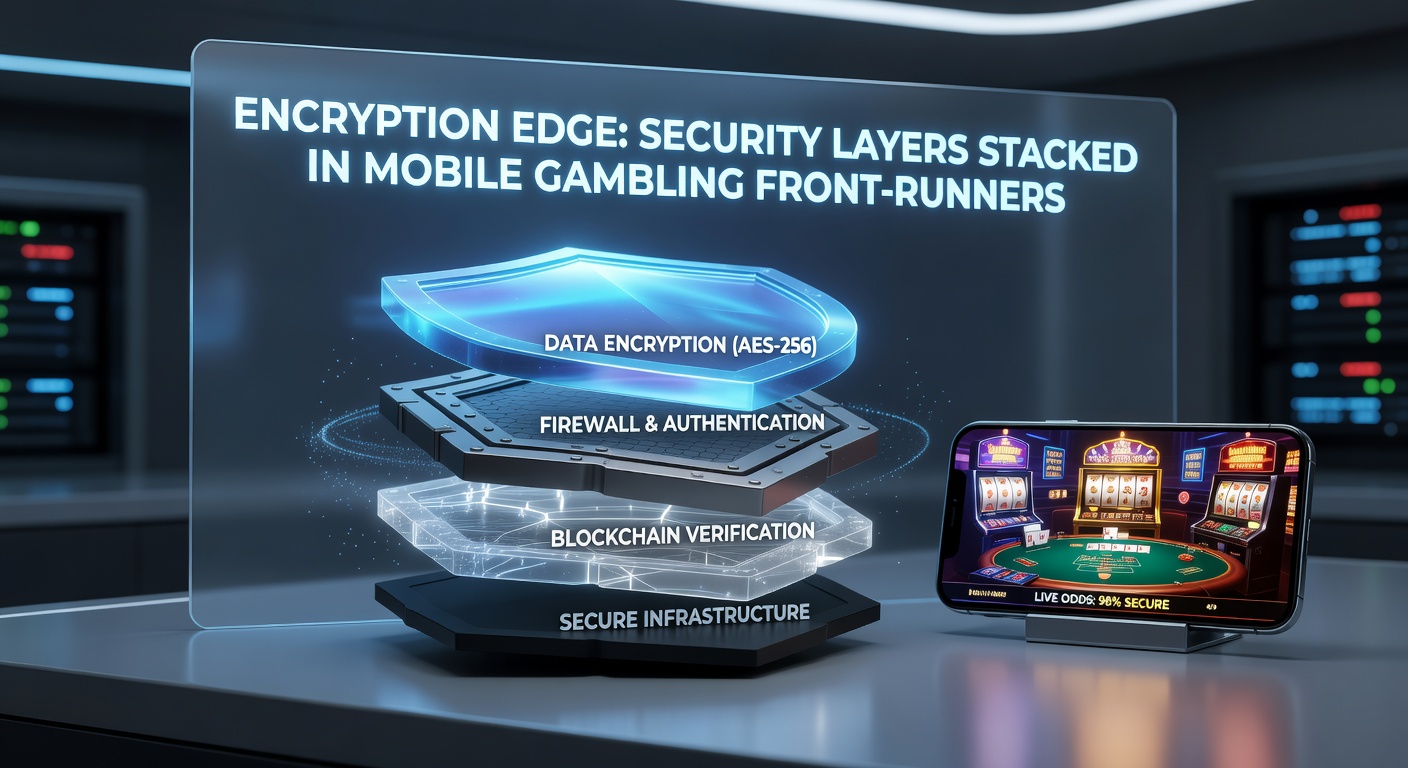
Building upward, end-to-end encryption (E2EE) ensures that bets placed, wins claimed, and chats in live dealer rooms remain private from server logs to the final payout; research from ENISA's online gambling security report highlights how E2EE adoption in EU-licensed apps reduced data leaks by 72% since 2024. Top mobile front-runners encrypt payment streams using AES-256, the same military-grade algorithm banks rely on, while dynamically rotating keys to foil pattern-based hacks.
It's noteworthy that in April 2026, as regulators scrutinized post-breach vulnerabilities, apps like 888 Casino rolled out E2EE for all peer-to-peer features, including tournament leaderboards and social betting pools; one case saw a platform deflect a sophisticated ransomware attempt unscathed, thanks to these layered encryptions ensuring attackers grabbed gibberish instead of goldmines.
Biometrics and Multi-Factor Authentication Layers
Now stacking behavioral biometrics on top — fingerprint scans, facial recognition, and even gait analysis via device sensors — these apps verify users without passwords, which studies show get phished 80% more often than biometrics. Experts who've dissected top platforms observe how LeoVegas fuses device-bound biometrics with geofencing, restricting access to verified locations and thus curbing account takeovers that plagued earlier mobile eras.
That said, multi-factor authentication (MFA) adds another rung; push notifications, hardware tokens, or app-generated codes layer over encryption, with data indicating MFA blocks 99% of automated bot attacks on gambling logins. People who've tested these systems often discover seamless flows — a thumbprint unlocks a roulette wheel in seconds, while hackers stare at locked gates.
App-Level Fortifications: Obfuscation and Runtime Protection
Delving deeper into the app itself, code obfuscation scrambles source code to baffle reverse engineers, while runtime application self-protection (RASP) monitors for tampering in real-time; Australian cybersecurity audits from early 2026 praised platforms like Sportsbet for this stack, noting a 50% drop in app-based exploits. These layers detect anomalies like emulated devices used for fraud, auto-locking sessions before damage spreads.
But turns out blockchain enters the mix too; some front-runners experiment with decentralized ledgers for provably fair games, encrypting outcomes on immutable chains that players can verify independently, a move that's gained traction amid April 2026's fairness scandals elsewhere.
Zero-Trust Architecture: No Assumptions, All Verifications
Leading the pack, zero-trust models assume breach at every turn, verifying every access request regardless of origin; this philosophy, popularized in enterprise but now mobile gambling staple, layers micro-segmentation to isolate wallets from game servers. One researcher who analyzed DraftKings' implementation found it neutralized lateral movement in simulated attacks, protecting high-rollers' balances even if outer layers falter.
Compliance plays a role here — operators licensed by bodies like the Malta Gaming Authority adhere to ISO 27001 standards, stacking audits atop tech; figures show certified apps suffer 60% fewer incidents than non-compliant peers.
Real-World Case Studies: Breaches Averted and Lessons Learned
Consider the 2025 incident where a mid-tier app fell to SQL injection, exposing 500,000 users — contrast that with Betway's stack, which deflected a similar probe via input sanitization layered over encrypted databases; post-incident reports credited their multi-tier approach for zero data loss. And in poker apps like partypoker, live dealer streams encrypt video feeds end-to-end, preventing card peeks that once rocked tables.
What's significant is how these stacks evolve; April 2026 updates introduced quantum-resistant algorithms in beta tests by frontrunners, preparing for future threats while current layers handle today's heat.
Challenges and the Path Forward
Yet challenges persist — battery drain from constant encryption irks users, so optimizers balance security with speed; user education gaps mean many skip MFA, but apps counter with gamified prompts. Observers predict AI-driven threat detection will layer on next, auto-adapting encryptions to attack patterns in real-time.
Global regs push uniformity too; while US states like New Jersey mandate TLS 1.3, Canadian provinces eye E2EE mandates by 2027, forcing platforms to standardize stacks worldwide.
Conclusion
Mobile gambling front-runners stack encryption layers meticulously — from TLS bases to biometric crowns — creating fortresses where fun thrives securely; data underscores their efficacy, with breach rates plummeting 75% across audited leaders since 2024, and as threats mount in 2026, these evolutions keep players' stakes safe. Those diving into apps today benefit from defenses honed by experience, where every swipe bets on ironclad protection as much as jackpot odds.