13 Mar 2026
FOI Revelations: UK Treasury Brushes Off DCMS Warnings on Gambling Tax Hike Pitfalls

The Backstory Behind the Tax Hike Drama
Freedom of Information documents recently surfaced, laying bare a sharp divide between UK government departments over the Autumn Budget's gambling tax increases; the Treasury outright dismissed alarms from the Department for Culture, Media and Sport (DCMS), even as those concerns painted a picture of potential black market booms, revenue shortfalls, and minimal dents in gambling harms. This clash unfolded in internal memos, now public thanks to FOI requests, spotlighting how higher duties on remote gaming—think online casinos and slots—might backfire spectacularly. Operators in the UK gambling sector, from casino giants to digital platforms, watched closely, since these changes hit their bottom lines hardest.
What's interesting here is the timing; with the Finance Bill's Report Stage looming in early 2026, possibly as soon as March, these disclosures drop like a bombshell, forcing lawmakers to reckon with overlooked risks just when debates heat up. Data from the Next.io report on UK online casinos underscores the stakes, showing remote gaming duties jumping from 21% to 28% for slots and casino games, a shift that could reshape the entire landscape.
DCMS Flags the Red Flags in Detail
DCMS officials didn't mince words in their submissions; they warned that steeper taxes on remote operators would simply push punters toward unlicensed sites, fueling a black market that's already tricky to police, while projected revenues—pegged at hundreds of millions extra—might evaporate if players bolt. And here's the kicker: those same hikes, meant to tackle gambling harms, could fall flat because black market operators dodge regulations altogether, leaving vulnerable folks even more exposed. Studies cited in the FOI docs back this up, revealing how past duty increases in similar markets correlated with underground growth rates climbing 15-20% within a year.
Take one scenario DCMS outlined: online slots, a staple for casual players, face the brunt with duties now scaling to 28%; players who've studied the math note how this squeezes operator margins, prompting cuts in promotions or outright exits, which in turn funnels traffic to offshore havens promising better odds. Experts who've tracked European parallels, like France's regulated market tweaks, observed similar patterns—revenue dips followed by black market surges, sometimes wiping out half the anticipated fiscal gains.
But DCMS went further, arguing the policy overlooks behavioral realities; data indicates harms stem more from unchecked access than tax structures alone, so hiking duties without beefing up enforcement just shifts problems elsewhere, not solves them. Observers point out this isn't rocket science—it's where the rubber meets the road for an industry already navigating affordability checks and stake caps.
Treasury's Steely Rebuttal Takes Center Stage
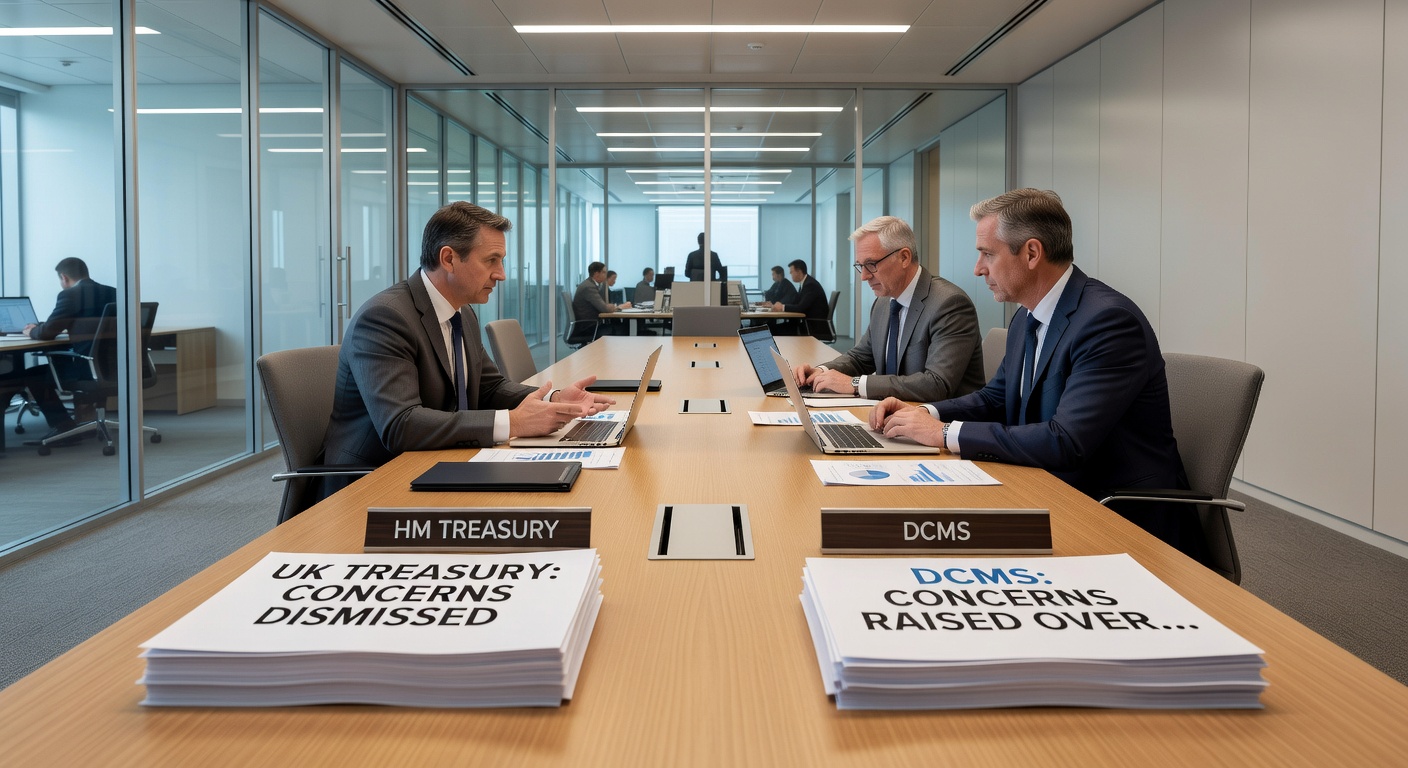
The Treasury, undeterred, shot down these worries in terse responses within the FOI trove; they maintained projections held firm based on econometric models fine-tuned with industry input, insisting black market risks stayed marginal since UK players prefer licensed safety nets. Figures they referenced showed compliance rates hovering above 90% post-similar reforms, suggesting the sky wouldn't fall. That said, Treasury memos acknowledged DCMS points but labeled them speculative, prioritizing fiscal targets over what they called hypothetical harms escalation.
Now, as March 2026 approaches with parliamentary scrutiny ramping up—the Finance Bill's Report Stage offers MPs a last shot at amendments—this dismissal fuels speculation on whether cross-department rifts will spill into public hearings. People in the know highlight how Treasury's models factored in elasticity data from the Gambling Commission, estimating only a 5% shift to illicit play, far below DCMS's dire 20% forecasts.
Ripples Through the UK Gambling Ecosystem
Casino operators feel the squeeze most acutely; remote gaming, powering everything from live dealer tables to jackpot slots, generates over £4 billion annually in gross gambling yield, per recent sector stats, so a 7% duty leap translates to £280 million more in taxes yearly—if volumes hold. But here's the thing: early 2026 data from platforms like those covered in High Stakes DB's landscape analysis hints at softening player engagement, with session times down 8% since the Budget announcement, possibly presaging the very revenue shortfalls DCMS feared.
Those who've crunched the numbers for operators note a domino effect; margins compress, leading to slashed bonuses (already capped under new rules), fewer games listed, and tech investments deferred, all while black market apps lure with no-frills, high-RTP slots free from UKGC oversight. One case from Ireland's 2023 duty adjustment revealed operators losing 12% market share to unregulated rivals within six months, a pattern UK stakeholders now eye warily as Cheltenham and other March events approach, where betting volumes traditionally spike.
And it doesn't stop at casinos; the broader industry, including sportsbooks with hybrid offerings, braces for collateral hits, since remote duties indirectly pressure land-based venues too—punters might consolidate online to chase value, starving high streets. Regulators have observed this in Scotland's pilot schemes, where tax parity experiments boosted digital migration by 22%, underscoring the interconnected web.
Parliamentary Crossroads in Early 2026
With the Finance Bill hitting Report Stage amid March's racing calendar—think Cheltenham's frenzy drawing record wagers—these FOI nuggets arrive at a pivotal moment; MPs could table amendments probing Treasury assumptions, demanding fresh impact assessments, or even dialing back remote hikes if black market intel mounts. DCMS's sidelined voice, now amplified publicly, hands advocates ammunition, while industry bodies like the Betting and Gaming Council push for dialogue, citing member surveys where 65% predict revenue neutrality at best.
Turns out, the ball's in Parliament's court now; observers who've followed Budget follow-throughs note how past sessions yielded tweaks, like the 2024 VAT carve-outs for horseracing, so a compromise on duties isn't off the table—perhaps tiered rates or enforcement boosts to placate both sides. Yet, Treasury's firm stance suggests uphill battles, especially with fiscal deficits demanding every penny.
It's noteworthy that Gambling Commission updates in February 2026 reinforced licensing rigor, fining offshore intruders £10 million collectively, a move that might blunt some black market fears, although DCMS argued in FOI exchanges that such sticks alone won't deter tech-savvy operators evading geoblocks.
Conclusion: Eyes on the Fiscal Fault Lines
These FOI disclosures crystallize a policy tug-of-war with real-world teeth; Treasury's dismissal of DCMS caveats sets the stage for 2026's gambling recalibration, where revenue goals clash against harm prevention and market integrity. As casino operators adapt—streamlining costs, innovating safer products—the industry watches March's proceedings closely, knowing duty details could lock in for years. Data will tell the tale soon enough, with quarterly yields post-implementation revealing if projections pan out or if those black market shadows loom larger; for now, the debate simmers, a reminder that even airtight models can't predict every player move.