Britain's Online Gaming Sector Adapts Payment Strategies to Meet New Player Expectations
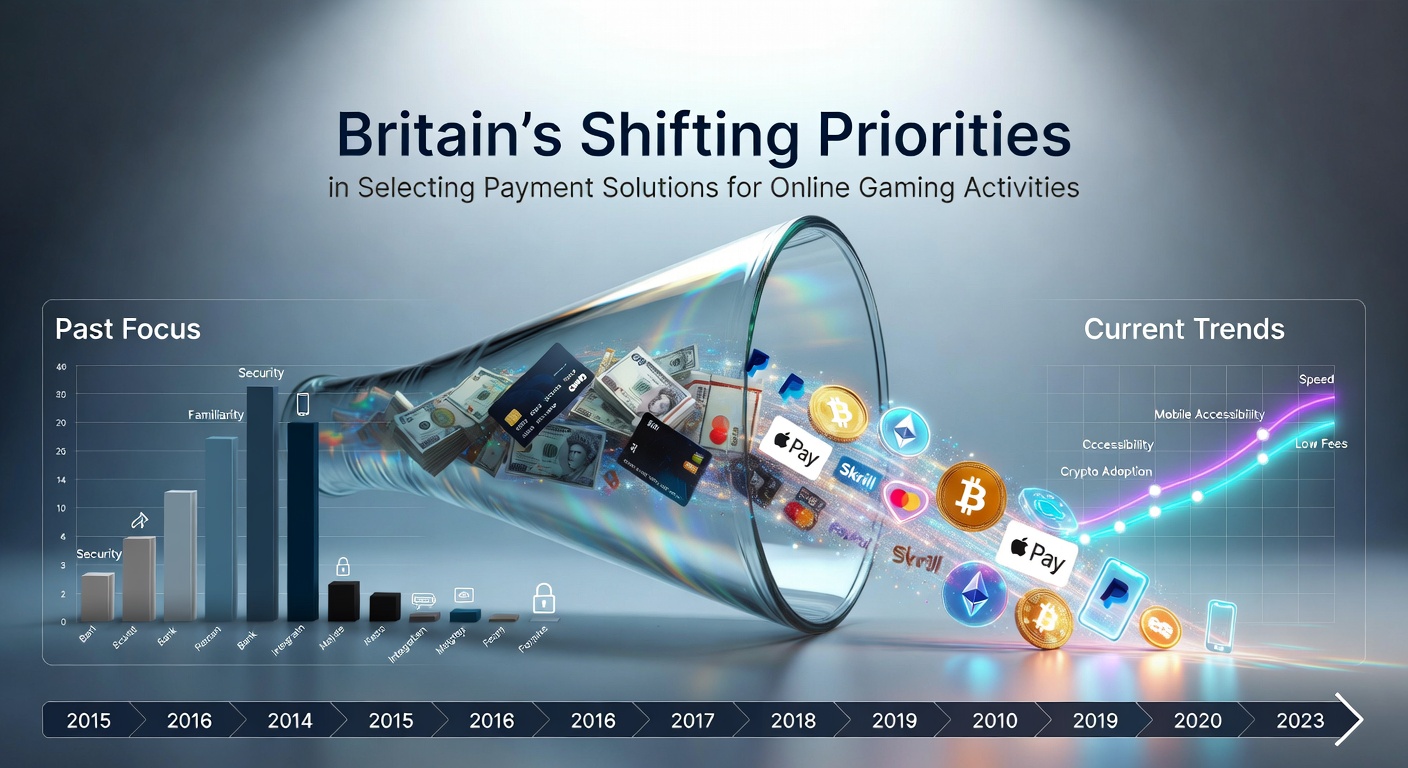
British operators in the online gaming space continue to adjust their approaches to payment solutions as player habits and regulatory expectations evolve, with data from industry reports showing increased adoption of instant transfer options over traditional card processing in recent years. Observers note that factors such as transaction speed, security protocols and compliance requirements drive these adjustments, while figures from payment analytics firms reveal that e-wallet usage has grown steadily since 2023.
Payment priorities now emphasize seamless integration with mobile platforms, where many users complete deposits and withdrawals within seconds rather than hours. This shift aligns with broader trends in digital finance, where open banking frameworks allow direct connections between bank accounts and gaming sites without intermediary processors. Researchers at various institutions have tracked these patterns across Europe, noting similar movements in markets that share regulatory overlap with Britain.
Key Drivers Behind Changing Payment Preferences
Speed stands out as a primary consideration, with data indicating that over 60 percent of transactions in 2025 involved methods promising completion in under five minutes. Operators respond by prioritizing solutions like instant bank transfers and digital wallets that reduce friction during account funding, which in turn supports higher retention rates according to platform metrics. Cost structures also influence selections, since processing fees for certain card networks can exceed those associated with bank-led alternatives, prompting reviews of vendor contracts throughout the sector.
Security remains central, as encryption standards and fraud detection tools receive regular updates to match advancing threat landscapes. Those monitoring the industry point to layered authentication processes becoming standard, where biometric verification combines with device recognition to verify users before funds move. A study published by the European Central Bank highlights how such measures contribute to lower dispute rates in digital transactions across regulated environments.
Emerging Methods Gaining Ground in 2026
By May 2026, mobile-native options such as Apple Pay and Google Pay appear more frequently on gaming interfaces, reflecting user familiarity with these tools for everyday purchases. These methods leverage existing device security while enabling one-tap interactions that appeal to time-conscious players. Bank transfers via systems like Faster Payments have also expanded, allowing direct account links that bypass stored card details entirely.
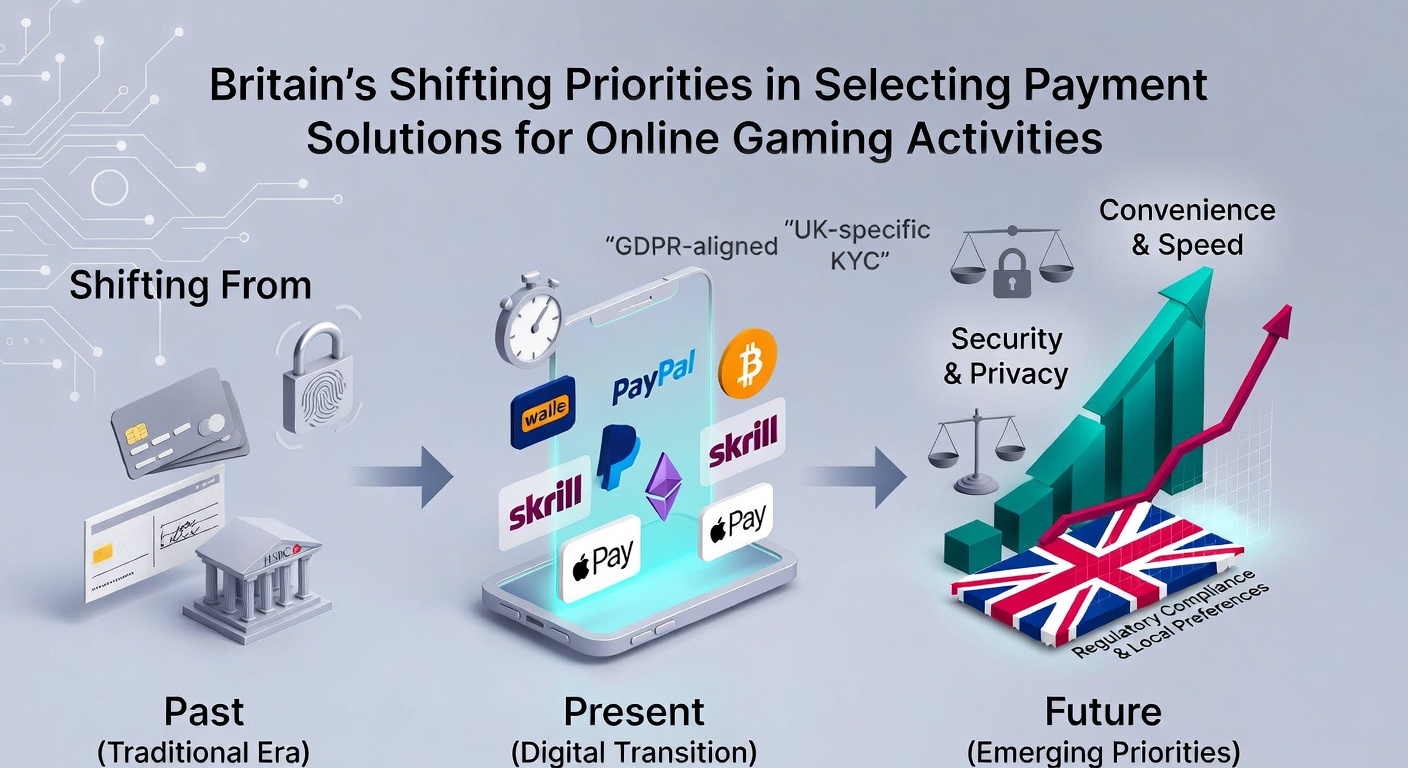
Cryptocurrency options continue to surface in limited capacities, though adoption stays niche due to volatility concerns and varying acceptance policies among providers. Data from transaction logs shows steady but modest volumes compared with established electronic wallets. Operators evaluate these alongside traditional routes, balancing potential benefits in privacy with the need for transparent audit trails demanded by oversight bodies.
Impact on Player Experience and Platform Operations
Withdrawals represent another area of focus, where platforms compete on timelines for cashing out winnings. Reports from payment service comparisons indicate that sites offering same-day processing through selected channels see stronger engagement metrics. This emphasis on efficiency extends to customer support protocols, which now include dedicated teams handling payment queries to maintain smooth operations during peak periods.
Operators also weigh regional preferences, noting differences between desktop users favoring bank transfers and mobile audiences leaning toward wallet integrations. A research paper from the University of Sydney's gambling studies group outlines how demographic factors shape these choices globally, with patterns that parallel developments observed in Britain. Such insights help inform targeted rollout of new payment features without disrupting existing user bases.
Future Outlook for Payment Integration
Looking ahead, collaboration between gaming firms and financial technology providers is expected to accelerate, driven by advancements in real-time settlement systems. Industry associations track these partnerships closely, sharing benchmarks that highlight successful implementations of combined security and speed features. Compliance with evolving data protection standards adds another layer, requiring ongoing audits of how payment data flows between parties.
Overall, the landscape reflects measured adaptation rather than abrupt overhauls, with decisions grounded in usage statistics and operational feedback loops. Platforms that align payment selections with documented player behaviors position themselves to handle increasing transaction volumes efficiently.
Conclusion
Britain's online gaming payment ecosystem demonstrates ongoing refinement based on measurable trends in speed, security and accessibility. As new tools emerge and existing ones mature, operators continue evaluating options through data-driven lenses that prioritize reliability alongside user convenience. This approach supports sustained activity across the sector while addressing the practical demands of modern digital transactions.