UK Gambling Commission Outlines Targeted Approach to Illegal Gambling Enforcement

UK Gambling Commission Executive Director of Operations Sue Young addressed attendees at the KPMG Gibraltar eSummit 2026 with details on the regulator's enforcement priorities, and the presentation centered on illegal gambling operations within Great Britain. Young described a strategy built around targeted actions against operators showing signs of rapid scaling rather than widespread measures across the sector, while she also covered collaborative efforts and upcoming legislative tools that could expand the Commission's reach.
Enforcement Priorities and Strategic Focus
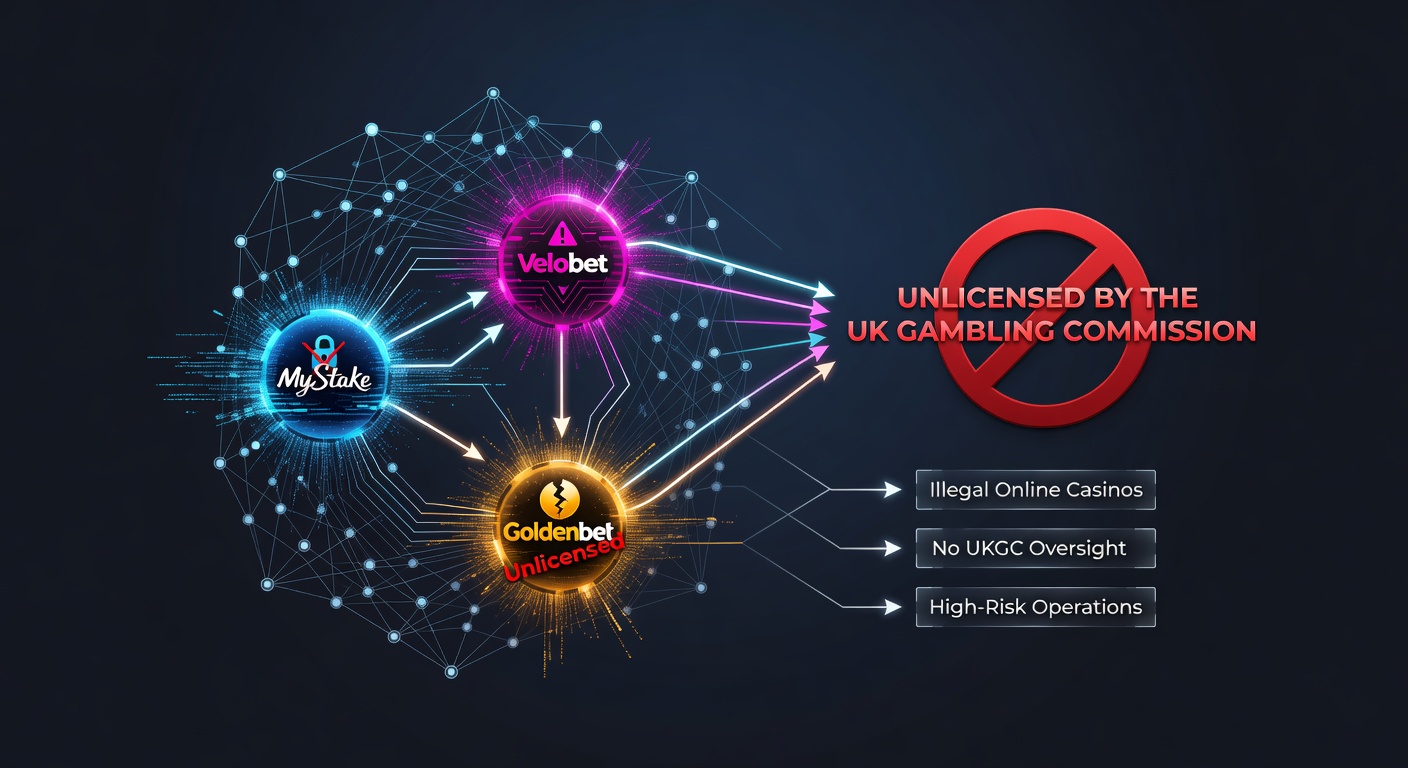
Young explained that enforcement resources concentrate on operators expanding their illegal activities at a noticeable pace, which allows the regulator to direct attention where impact appears greatest. This method avoids diluting efforts across numerous smaller entities and instead tracks patterns of growth in unauthorized offerings. Observers note that such selectivity aligns with data from the previous financial year, where the Commission issued 741 cease-and-desist notices and disrupted more than 1,100 websites linked to illegal gambling activities.
Collaboration forms another core element of the outlined approach, and Young highlighted partnerships with payment providers alongside law enforcement agencies to interrupt financial flows supporting unlicensed sites. These joint initiatives aim to close gaps that illegal operators exploit when moving funds across borders, and the regulator continues to refine these connections to improve response times when new threats emerge.
Legislative Developments and Expanded Powers
The speech referenced new authorities available under the Crime and Policing Bill, which Young indicated will strengthen the Commission's ability to act against illegal operators once fully implemented. These provisions include mechanisms for quicker intervention and broader information sharing with partner organizations, and regulators expect the changes to support more precise disruptions without requiring additional broad legislative overhauls.
Young also addressed ongoing work around Financial Risk Assessments, noting that the Commission continues to evaluate how these tools fit within existing frameworks for both licensed and unlicensed markets. The assessments help identify potential vulnerabilities in operator practices, and the regulator maintains regular reviews to ensure consistency with consumer protection goals.
Data on Illegal Market Engagement
Young presented figures showing no sustained increase in consumer participation within the illegal market despite some public narratives suggesting otherwise, and she pointed to research updates published in April 2026 that extend tracking through February 2026. According to the Gambling Commission statistics hub, engagement levels have remained stable in recent periods even as enforcement actions have intensified. This stability challenges assumptions of rapid expansion and supports the Commission's decision to maintain its current targeted methods rather than shift toward broader campaigns.
Those monitoring market trends have observed similar patterns in prior years, where spikes in certain indicators did not translate into lasting shifts in overall participation. Young emphasized that continued data collection remains essential to distinguish temporary fluctuations from genuine structural changes, and the regulator plans further updates as new information becomes available through its established reporting channels.
Support for Licensed Market Innovation
Alongside enforcement discussions, Young touched on the Commission's role in fostering innovation within the licensed gambling sector. The regulator encourages operators to develop new products and services that meet regulatory standards while addressing consumer needs, and this support extends to reviewing proposals that incorporate emerging technologies. Young noted that balanced oversight helps maintain a competitive environment where licensed entities can operate effectively against illegal alternatives.
Industry participants have responded to these signals by submitting updated compliance frameworks that align with the outlined priorities, and several operators have adjusted their growth strategies to emphasize transparency in areas such as payment processing and player verification. These adjustments reflect ongoing dialogue between the regulator and licensed businesses about practical implementation of enforcement goals.
Conclusion
The speech delivered by Sue Young at the 2026 eSummit provides a clear snapshot of the UK Gambling Commission's current enforcement direction, and it ties together targeted action, partner collaboration, legislative updates, and data monitoring into one coordinated framework. Recent enforcement numbers demonstrate active disruption efforts, while the absence of sustained illegal market growth offers context for maintaining this approach. As the Crime and Policing Bill advances and Financial Risk Assessment considerations continue, the regulator's methods will likely evolve in response to new information gathered through established channels and partnerships.