Blockchain and Instant Settlements Drive New Patterns in Digital Poker and Betting Exchanges
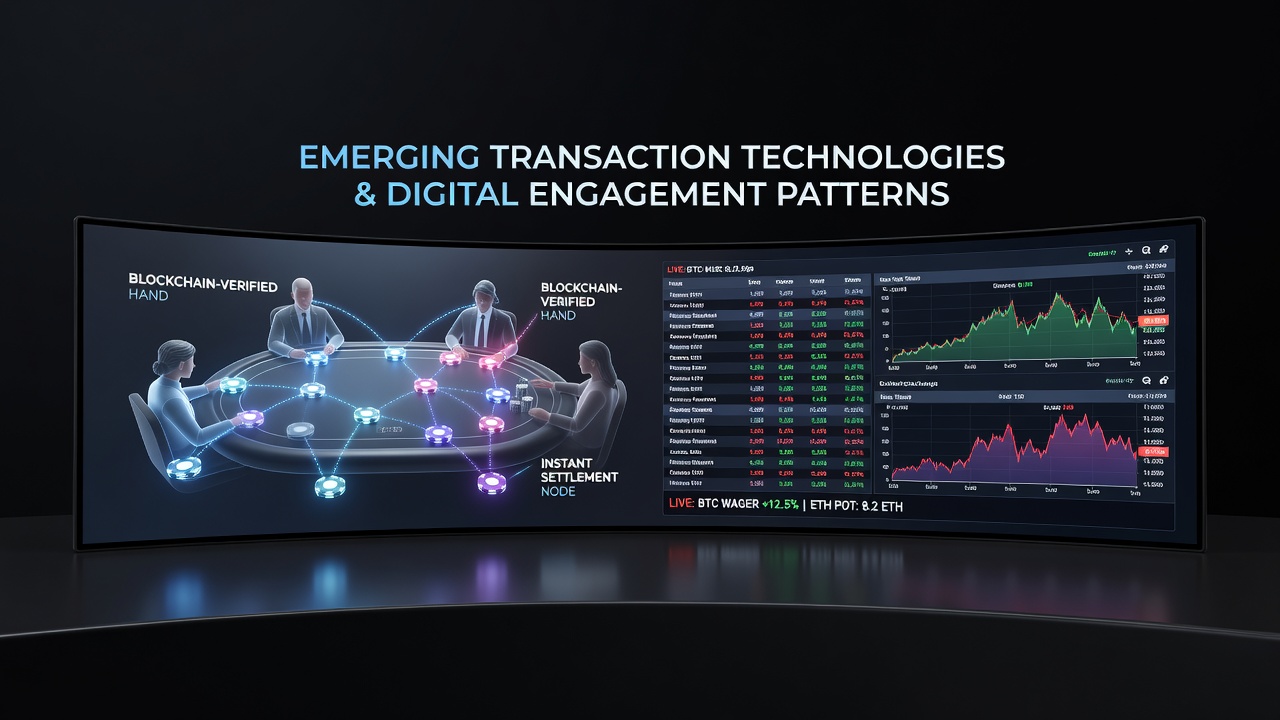 Emerging transaction technologies continue to reshape how participants interact with digital poker rooms and betting exchanges, with systems built around blockchain ledgers, stablecoin transfers, and near-instant payment rails replacing older card and e-wallet processes. Data from industry tracking services shows that platforms adopting these tools recorded measurable increases in session frequency and cross-border participation during the first half of 2026. Observers note that reduced settlement times allow users to move funds between accounts in seconds rather than hours, which alters the rhythm of play and decision-making across both poker tables and exchange order books.
Core Technologies Behind the Shift
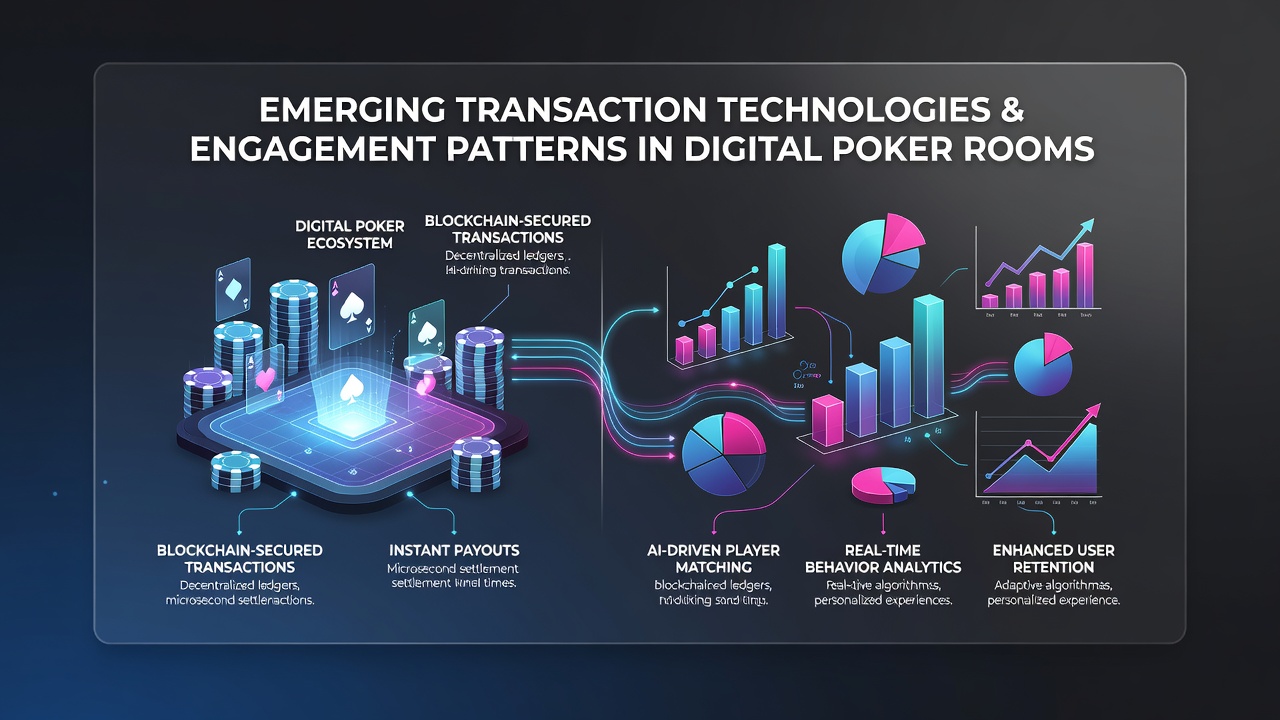
Blockchain-based settlement networks enable transparent, irreversible transfers that eliminate many traditional clearing steps. Research conducted by academic teams at institutions in North America and Europe indicates that poker operators integrating these networks saw average deposit completion times drop from 45 minutes to under 90 seconds in controlled trials completed by May 2026. Stablecoins pegged to major currencies further support this speed by avoiding the volatility of unpegged cryptocurrencies while still operating on distributed ledgers.
Payment rail upgrades such as open banking APIs and embedded finance modules add another layer. These systems let users authorize transfers directly from banking apps without leaving the gaming interface. Figures compiled by the Canadian Gaming Association reveal that exchanges using these rails experienced a 22 percent rise in active trader accounts between January and June 2026 compared with platforms relying solely on legacy processors.
Changes in Poker Room Engagement
Poker rooms that introduced instant reload features report shifts in player behavior. Participants no longer wait for manual approvals before re-entering tournaments or cash games. This creates longer continuous play windows and more frequent table switches, according to logs shared by several major operators. Multi-currency wallets allow simultaneous holdings in different denominations, reducing friction when players from different regions join the same table.
One documented case involved a European platform that added on-chain verification for player identities. The change coincided with a documented increase in micro-stakes traffic, as users who previously avoided verification steps now completed it once and reused the same wallet across multiple sites. Engagement metrics showed repeat login rates climbing steadily through spring 2026.
Adjustments at Betting Exchanges
Betting exchanges rely on peer-to-peer matching, and faster settlement directly affects liquidity depth. When payouts clear within seconds, traders can reinvest winnings into new positions without delay. Reports from the Australian wagering sector highlight that exchanges adopting on-chain settlement recorded higher order book turnover rates during major sporting events in early 2026. Market depth metrics improved because participants kept funds on-platform rather than withdrawing after each event.
Smart contract functions now automate some escrow and dispute resolution tasks. These contracts release funds automatically once predefined conditions are met, cutting manual intervention. Industry groups tracking global exchange activity note that platforms with these features attract more algorithmic traders who value deterministic settlement over human review processes.
Regional Variations and Adoption Rates
Adoption patterns differ by jurisdiction. Markets with clear regulatory frameworks for digital assets show faster integration of new rails, while others proceed more cautiously. A study released by a research consortium spanning Singapore and the Netherlands found that operators in those regions processed 35 percent of poker traffic through blockchain rails by June 2026, whereas comparable figures in slower-moving markets remained below 10 percent.
Cross-border play increases when currency conversion and compliance checks happen automatically inside the transaction layer. Users maintain single wallets that handle multiple fiat equivalents, reducing the need to manage separate accounts for each currency zone. This consolidation correlates with longer average account lifespans in datasets released by several exchange operators.
Security and Verification Impacts
Transaction technologies also influence verification workflows. Zero-knowledge proofs allow platforms to confirm solvency or age requirements without exposing full wallet histories. Early implementations at select sites reduced verification abandonment rates, according to internal metrics shared at industry conferences. Players complete onboarding steps more readily when personal data exposure stays limited.
At the same time, immutable ledgers create permanent records of every transfer. Regulators in multiple regions have begun requesting on-chain analytics as part of routine oversight, shifting compliance from periodic reports to continuous monitoring models. Exchanges that built dashboards for these queries report smoother interactions with oversight bodies.
Conclusion
Transaction technologies continue to modify engagement patterns by compressing time between funding decisions and actual play. Poker rooms gain from quicker reloads and multi-currency flexibility, while betting exchanges benefit from deeper liquidity and automated settlement. As more platforms adopt these systems, participation metrics and session structures evolve in measurable ways, with data from mid-2026 already reflecting the cumulative effects across both sectors.