Biometric Innovations Streamlining Entry Systems Across Unified Sports Betting and Table Game Environments
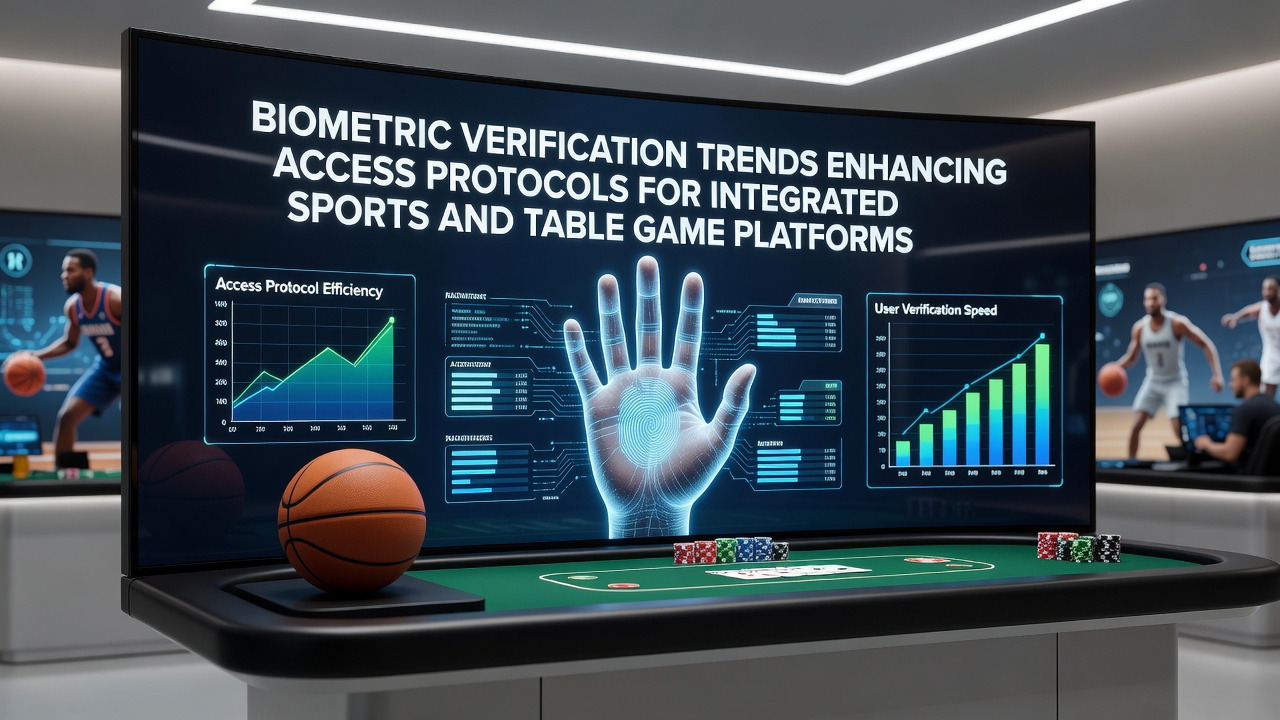
Biometric verification has moved from niche pilots into mainstream deployment for platforms that combine sports betting with table game access, and researchers tracking adoption rates note steady growth through 2025 into mid-2026. Systems now rely on facial mapping, fingerprint analysis, and behavioral keystroke patterns to confirm user identity at login, deposit, and high-value transaction stages. Data from industry deployments shows these methods reduce account takeover attempts while shortening average verification time from minutes to seconds.
Core Technologies Driving Protocol Updates
Platform operators integrate multiple biometric layers because single-modality checks leave gaps. Facial recognition handles initial onboarding and periodic re-authentication, while fingerprint or palm-vein readers secure in-session actions such as placing large wagers or switching between sports odds and live dealer tables. Voice biometrics appear in customer-support calls, matching callers against stored templates before any account changes occur. Studies released in early 2026 indicate that multi-modal setups achieve false-accept rates below 0.1 percent when calibrated against datasets exceeding 10 million samples.
Hardware improvements help too. Smartphone cameras now capture 3-D depth maps without extra sensors, and contactless fingerprint readers embedded in kiosks at gaming venues process prints in under 300 milliseconds. Observers note that these speed gains matter most during peak events, when thousands of users attempt simultaneous logins.
Integration With Sports and Table Game Workflows
Unified platforms allow seamless movement between pre-match sports betting and live table sessions, yet regulators require strict age and identity gates at every entry point. Biometric checks satisfy those rules without forcing users through repeated document uploads. One large European operator reported that facial verification cut account-recovery tickets by 62 percent after rollout in late 2025. Similar patterns appear in North American markets where state gaming boards accept biometric audit trails as evidence of compliance.
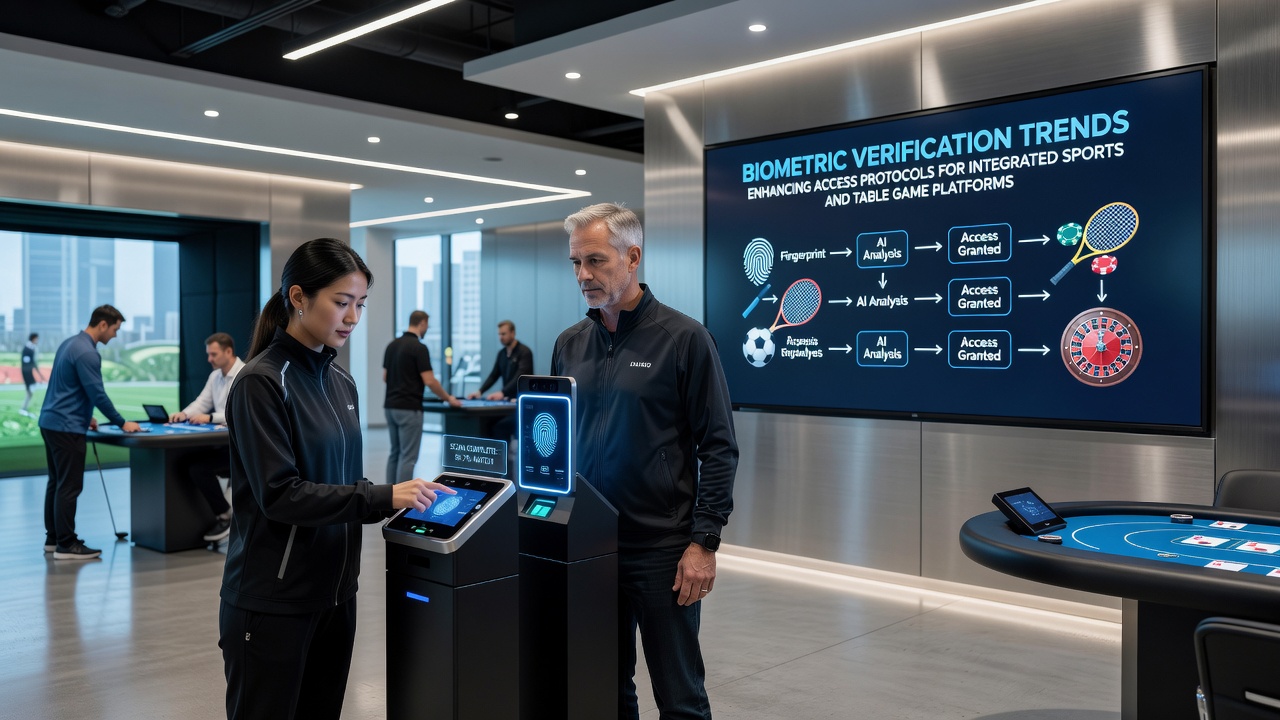
Table game sections benefit especially because live dealer streams require continuous session monitoring. Platforms embed passive facial tracking that flags anomalies such as sudden device switches or multiple faces in frame, triggering secondary challenges only when risk scores rise. Sports betting modules use the same backend to verify location and identity before odds change or cash-out requests process. The shared infrastructure lowers maintenance costs and gives operators unified dashboards for compliance reporting.
Regulatory and Standards Landscape
Standards bodies continue refining testing protocols for biometric systems used in gambling contexts. The National Institute of Standards and Technology maintains ongoing evaluations of facial recognition algorithms across demographic groups, and its latest technical reports guide vendors on bias mitigation. In parallel, the Interactive Gaming Council has published interoperability guidelines that let platforms exchange biometric templates securely between sports and table game modules without exposing raw data. These frameworks encourage consistent performance metrics rather than mandating specific vendors.
June 2026 saw several regional authorities publish updated guidance referencing biometric audit requirements for cross-product platforms. Australian and Canadian regulators, for instance, now request periodic independent testing of false-reject rates to protect users who experience recognition failures. Operators respond by maintaining fallback methods such as one-time passcodes delivered via registered devices.
Implementation Patterns and Measured Outcomes
Deployment sequences typically begin with voluntary enrollment during account creation, followed by mandatory checks for withdrawals above defined thresholds. Case studies from mid-sized operators show enrollment completion rates above 85 percent when the process takes less than 45 seconds and includes clear on-screen instructions. Retention data further indicates that users who complete biometric setup return more frequently, partly because repeated friction from password resets disappears.
Security teams track metrics such as spoofing attempts using printed photos or deepfake videos. Liveness detection modules that analyze micro-movements and lighting reflections have lowered successful spoofs to negligible levels in production environments. One vendor shared aggregated figures showing a 94 percent drop in manual review queues after liveness layers were added in 2025.
Future Trajectory Through 2026 and Beyond
Emerging approaches combine biometrics with behavioral analytics, monitoring swipe speed, navigation patterns, and session duration to build continuous trust scores. Early trials suggest these hybrid models can detect account sharing faster than static checks alone. Hardware trends point toward wider use of under-display fingerprint sensors and improved infrared cameras that function in low-light casino settings.
Industry groups continue collaborating on template protection standards so that compromised biometric data cannot be reverse-engineered into usable images. These efforts align with broader data-protection expectations and help platforms maintain user confidence while scaling across sports and table game offerings.
Conclusion
Biometric verification now forms a core component of access protocols on platforms that merge sports betting with table games, supported by measurable reductions in fraud and verification time. Standards organizations and regional authorities provide frameworks that promote consistent performance, while operators refine multi-modal systems to balance security with user convenience. Ongoing hardware and algorithmic advances position these technologies for wider adoption through the remainder of 2026 and into subsequent years.