31 Mar 2026
BGC's 2026 AGM Spotlights Illegal Gambling Explosion: 1.5 Million Users, £10 Billion Wagers Amid Tax Backlash

Spotlight on the Surge at BGC's Annual Gathering
At the Betting and Gaming Council's Annual General Meeting held in March 2026, discussions quickly zeroed in on a troubling rise in illegal gambling across the UK, where leaders laid out stark figures showing 1.5 million people turning to unlicensed platforms and wagering a staggering £10 billion annually. This black market activity, which now claims 10-12% of the overall gambling market—up sharply from just 0.5% five years prior—has become a central concern for the regulated industry, especially as recent policy shifts push users offshore. BGC Chief Executive Grainne Hurst took the stage to emphasize how these unlicensed operators evade oversight, leaving players exposed to risks without the protections offered by licensed sites.
What's interesting is the timing; the AGM unfolded against a backdrop of economic pressures and regulatory tweaks that observers link directly to this growth. Data from the event, detailed in a Yogonet report, reveals how the November Budget's tax changes—specifically increases on remote gaming duty and general betting duty—have accelerated the shift, with punters seeking lower costs abroad where operators dodge UK taxes and rules.
Tax Changes Fuel the Offshore Flight
Industry voices at the meeting pointed to the Budget's remote gaming duty hike from 21% to 25% for online slots and casino games, alongside a bump in general betting duty, as key drivers behind the illegal market's expansion; these adjustments, meant to boost Treasury coffers, instead prompted many users to migrate to unregulated foreign sites offering better odds or no tax pass-through. And while the changes aimed to level the playing field, figures indicate they've handed the advantage to offshore platforms, which lure customers with promises of higher returns since they skip UK levies entirely.
Take the proposed Financial Risk Assessments, for instance; regulators introduced these to flag high-risk customers, but critics at the BGC AGM argued they add compliance burdens that licensed operators must shoulder, whereas unlicensed rivals operate freely without such checks, drawing in risk-averse punters frustrated by added friction on legitimate sites. Researchers who've tracked market shares note this pattern isn't new—similar tax pressures in other jurisdictions have sparked black market booms—but the speed of this UK surge stands out, jumping from negligible levels to double digits in half a decade.
But here's the thing: licensed operators, who fund problem gambling support through levies like the Gambling Levy, find themselves undercut by these shadow players who contribute nothing to public safeguards, leaving a gap that affects everyone from casual bettors to those in recovery.
Government Steps Up with Funding and Taskforce
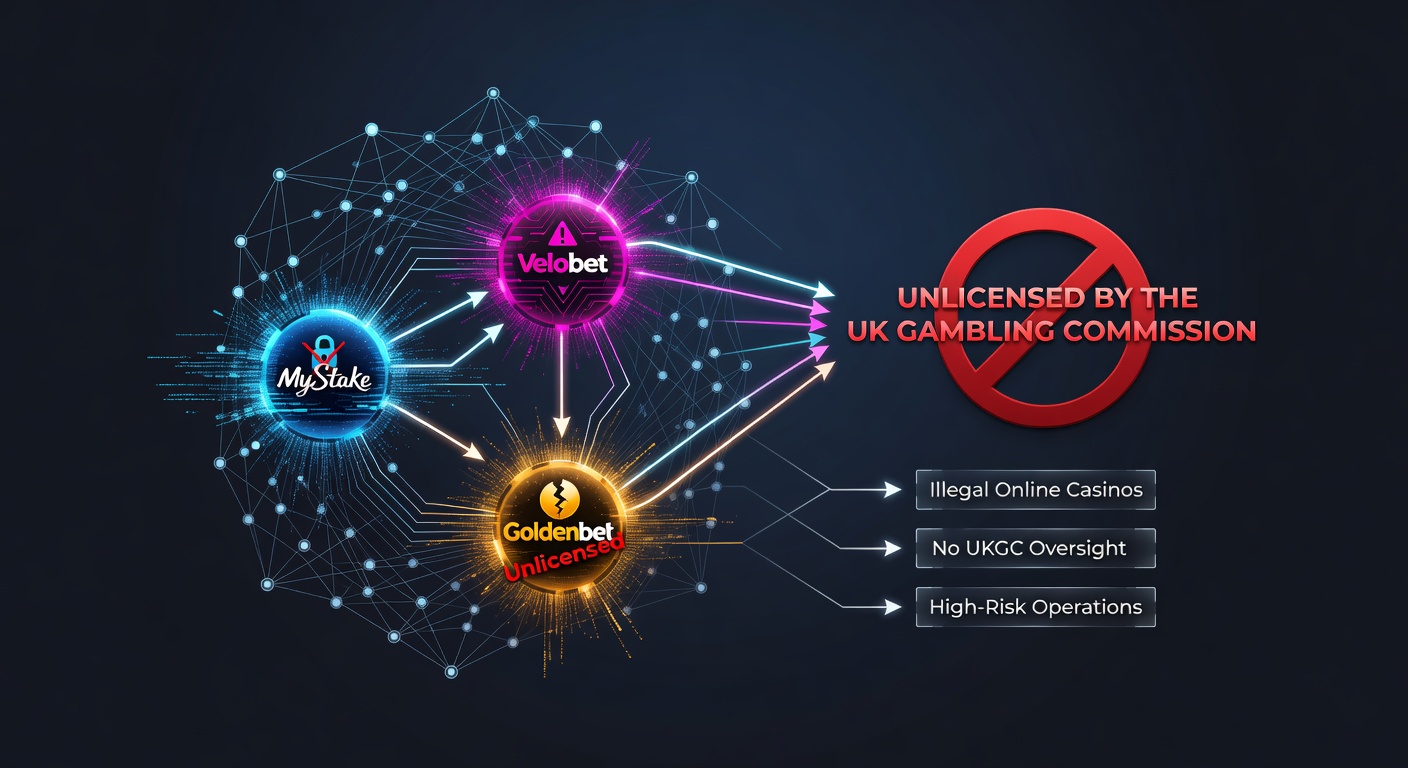
Gambling Minister Baroness Fiona Twycross addressed the AGM directly, announcing £26 million in fresh funding for the Gambling Commission to bolster enforcement efforts against illegal operators, a move that pairs with the launch of a new Illegal Gambling Taskforce designed to collaborate with tech firms, law enforcement, and payment providers. This taskforce, set to target the pipelines feeding unlicensed sites—from advertising to payments—marks a proactive pivot, especially since early 2026 data already flags heightened activity ahead of major sports events.
Experts observing the announcement highlight how the funding will enhance monitoring tools and investigations, building on existing powers under the Gambling Act while adapting to digital evasion tactics like VPNs and crypto payments that unlicensed platforms exploit. And although the taskforce details remain light on specifics for now, its partnerships suggest a multi-front attack, where tech giants could deploy AI to detect suspicious traffic and police disrupt funding flows.
Those who've studied past crackdowns, such as Operation Gambit targeting illegal betting rings, often point out that coordinated efforts yield results; one case saw dozens of sites shut down after payment blocks, recovering millions in lost revenue for the regulated sector.
Breakdown of the Numbers: From 0.5% to Double Digits
Delving into the stats shared at the AGM, the illegal sector's £10 billion in annual wagers translates to a massive slice of activity, with 1.5 million users—roughly one in every 30 UK adults—participating despite the risks of rigged games, data theft, and zero recourse. Five years back, that share hovered at 0.5%, a minor blip handled by routine enforcement; now, at 10-12%, it rivals entire segments like land-based slots, signaling a structural shift driven by policy rather than player preference alone.
Grainne Hurst underscored this during her keynote, noting how licensed firms invest billions in compliance and player protections—think age verification, deposit limits, and self-exclusion tools—yet lose ground to operators who offer none of that, all while the Treasury's tax grabs erode their competitiveness. It's noteworthy that this isn't isolated; parallel concerns echo from bingo operators and sportsbooks, who report similar offshore poaching in horse racing and football markets.
So, as the AGM wrapped, attendees left with a clear message: without swift action, the regulated market—responsible for £4.3 billion in gross gambling yield last year per Commission stats—faces erosion that could spike harm levels industry-wide.
Broader Context and Industry Reactions
The BGC AGM, typically a forum for levies and innovation talks, pivoted hard to this crisis, with Hurst calling for a tax review to stem the bleed; delegates nodded along, sharing anecdotes of customers vanishing to sites like those in Curacao or Malta's grey zones, where lax rules mean no UK consumer protections apply. Yet, the government's response via Twycross offered a counterbalance, positioning the £26 million and taskforce as immediate tools to reclaim territory.
Observers note parallels to Ireland's black market woes post-tax hikes there, where illegal betting hit 20% before interventions curbed it; UK stakeholders hope their taskforce follows suit, leveraging data-sharing with firms like Google and Visa to choke off ad revenue and transactions. And while the AGM didn't unveil full taskforce rosters, hints at involvement from the National Crime Agency suggest serious muscle behind the push.
People in the room, from execs to compliance heads, walked away buzzing about the implications—especially with Cheltenham Festival looming, where on-course bookies already brace for offshore siphoning amid Commission reminders on rules.
Looking Ahead: Enforcement in the Spotlight
Post-AGM, the focus sharpens on implementation; the Gambling Commission's bolstered budget targets not just sites but enablers like affiliates and streamers who funnel traffic illegally, while industry groups pledge cooperation despite tax gripes. Turns out, the rubber meets the road here: success hinges on tech-law partnerships disrupting the ecosystem before the illegal share balloons further.
One study from regulators last year flagged similar trends pre-Budget, warning of offshore rushes; now, with real-time data confirming it, the taskforce arrives at a critical juncture, potentially reshaping enforcement for years ahead.
Key Takeaways from the BGC AGM
In wrapping up the March 2026 Betting and Gaming Council Annual General Meeting, the narrative centered on an illegal gambling surge claiming 1.5 million users and £10 billion yearly, up to 10-12% of the market from 0.5% before; tax hikes and risk checks fueled the exodus, but Baroness Twycross's £26 million infusion and Illegal Gambling Taskforce signal a robust fightback. Stakeholders eye these moves closely, as they could safeguard the licensed ecosystem that underpins player safety and economic contributions, ensuring the black market doesn't gain more ground unchecked.